The Anticolonial Sound Archive, 2016 – 2026
Best viewed on desktop.
The term anticolonial sound archive designates a constellation of recordings and related traces whose coherence emerges from the sonic relations formed within struggles against colonial rule and from their subsequent trajectories. Broadcasts carried information, music, instruction, and the presence of a movement across distances shaped by war; once recorded, intercepted, displaced, or preserved, they entered institutions with divergent purposes. At its center, surviving tapes preserve language, cadence, acoustics, and interference,
accompanied by monitoring transcripts, translations, catalog entries, and remembered accounts that register how sound was received and transformed. Each playback places these historical sounds among new listeners and conditions of audibility, allowing voices to be recognized, meanings reconsidered, and uncertainties retained. The designation anticolonial therefore links historical provenance to an ongoing responsibility toward the struggles, people, and institutions implicated in the recordings’ survival, interpretation, and transmission.
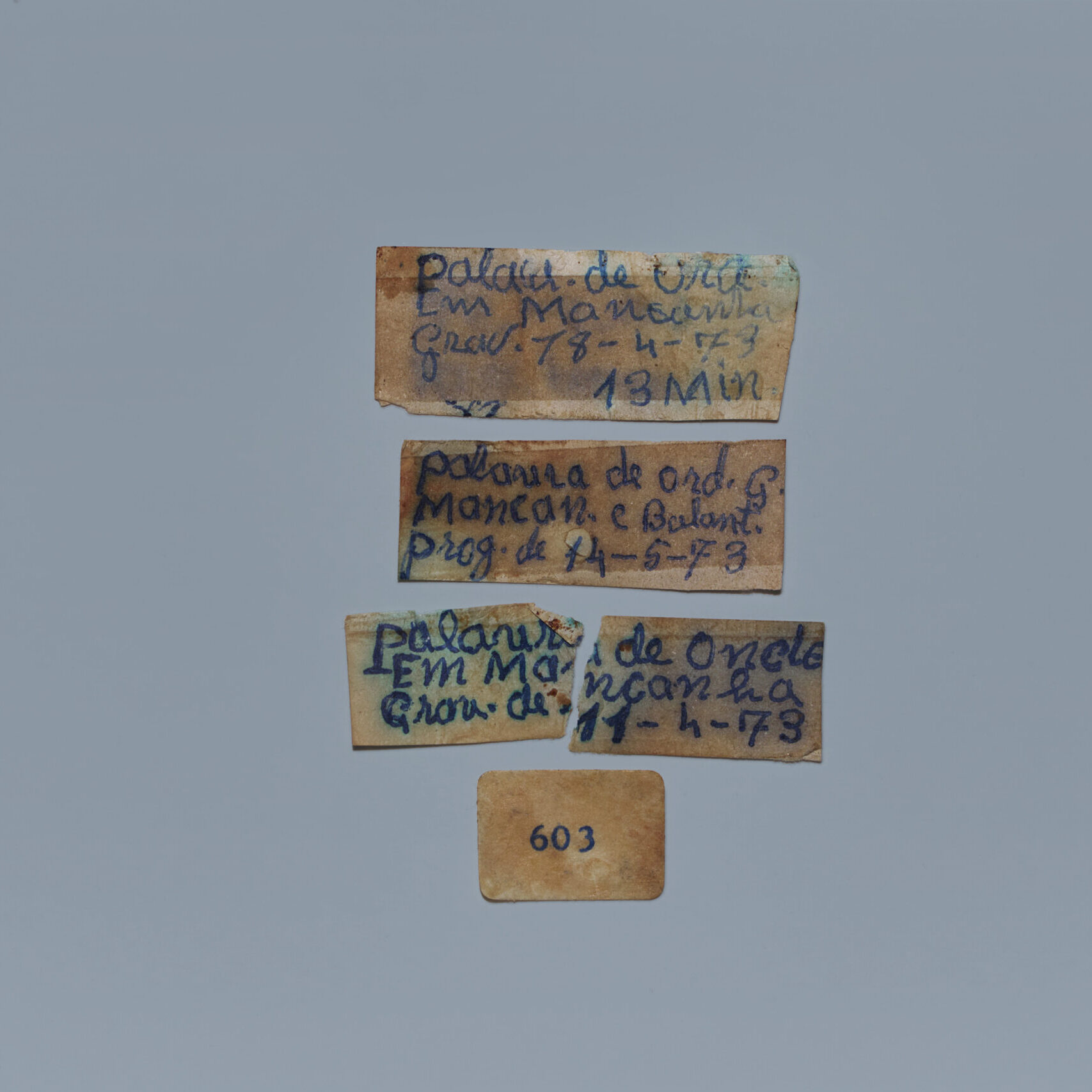
Anticolonial Sounds, 2025 – 2027
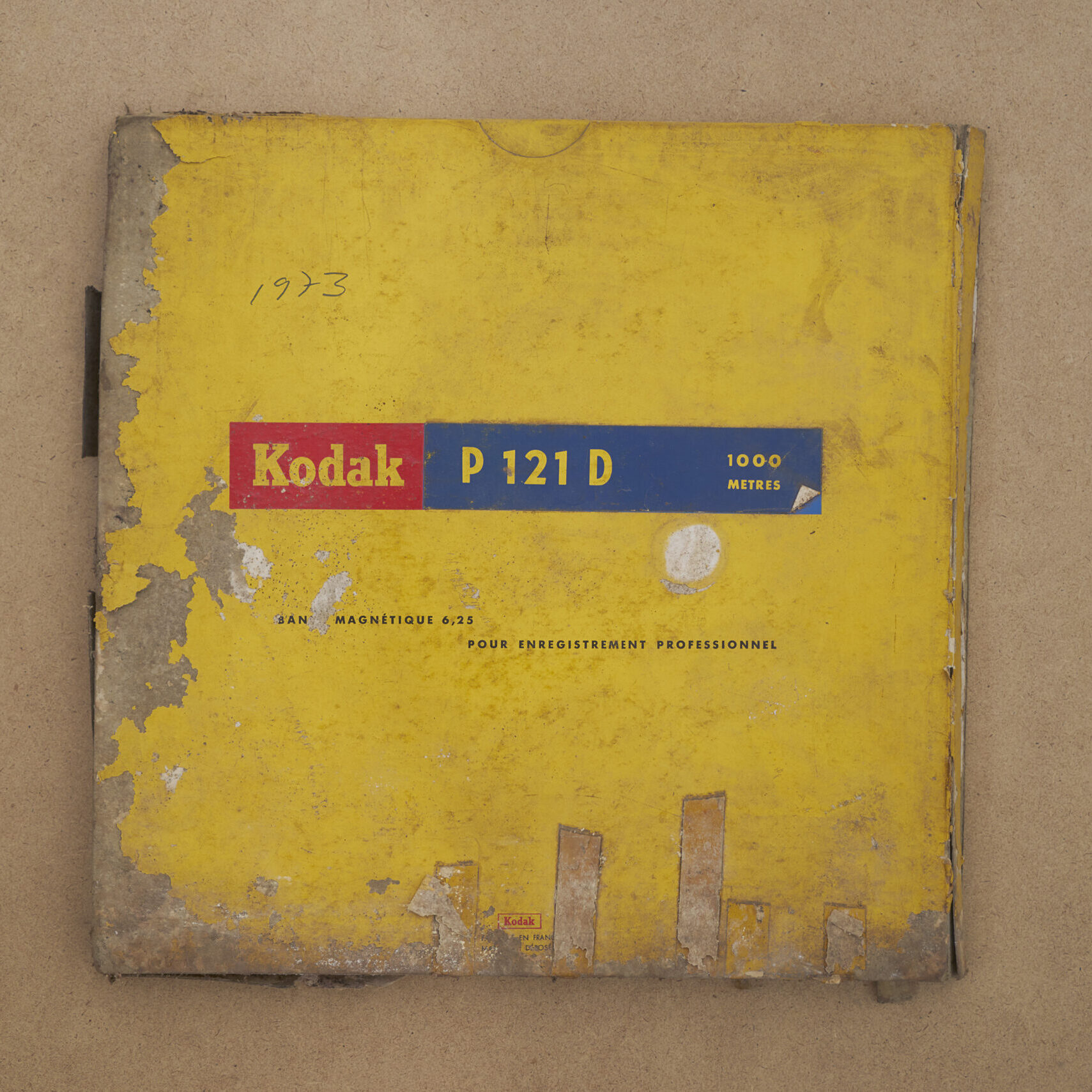
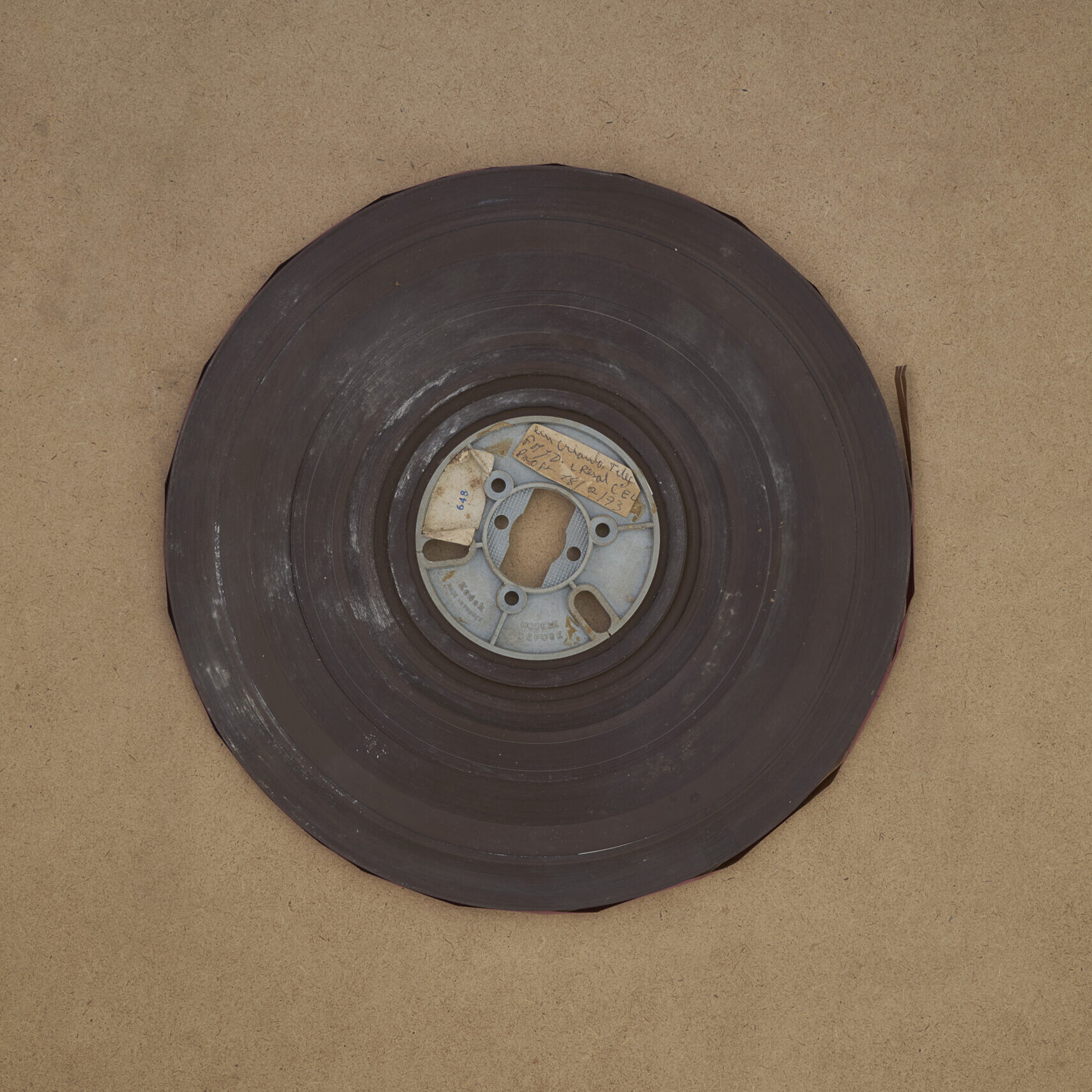
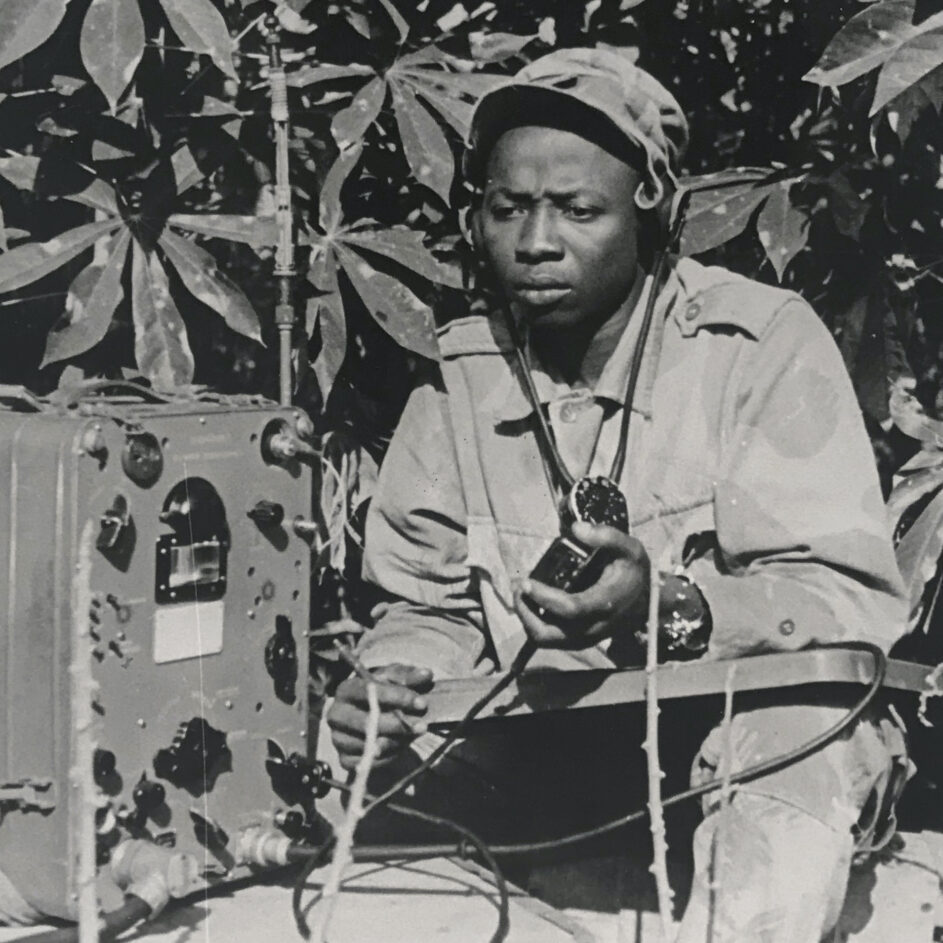
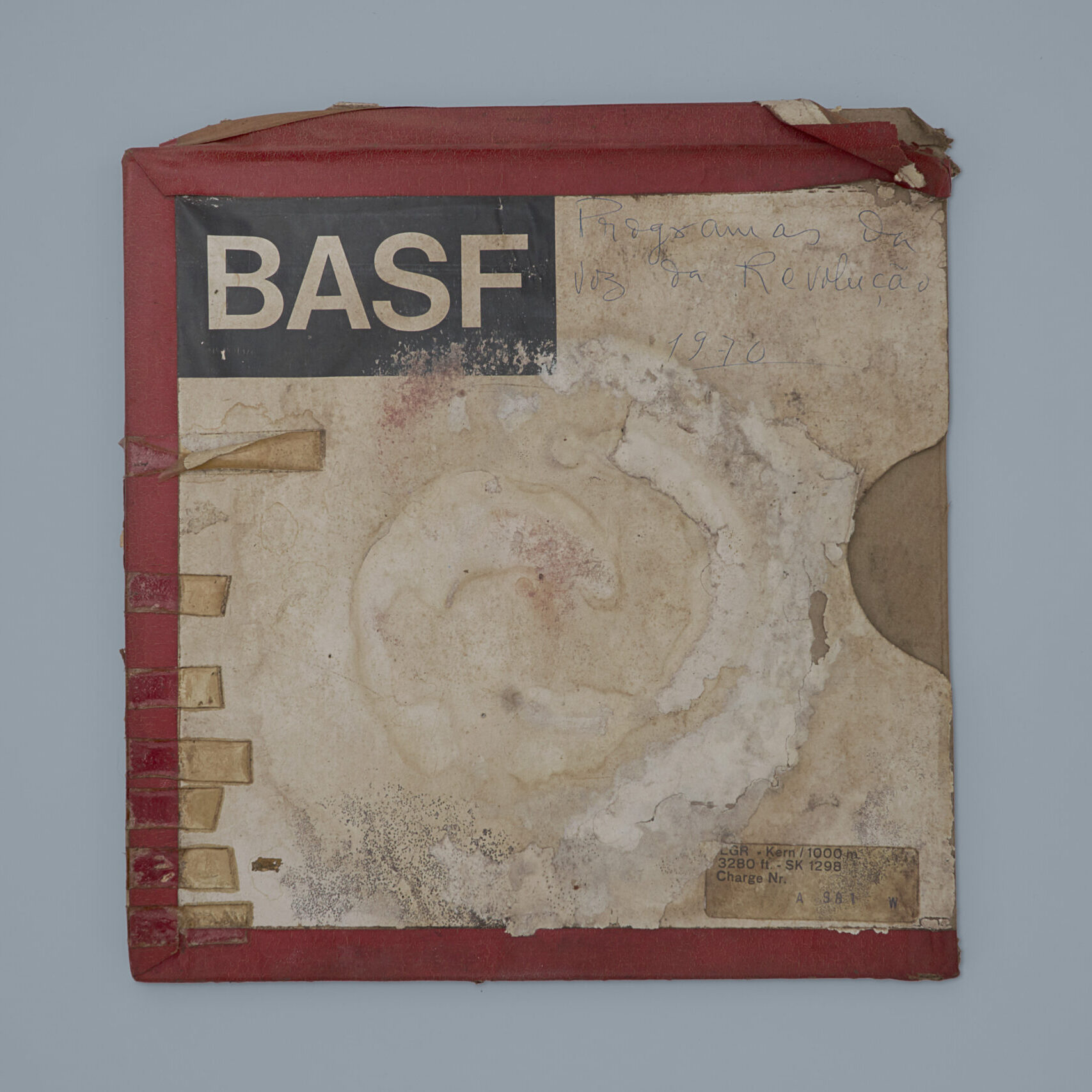
Anticolonial Sounds is a digitization and preservation project focused on historical sound recordings held by the National Radio Broadcaster of Guinea-Bissau (RDN). Rooted in artistic research into the anticolonial sound archive and a longstanding relationship with RDN, the project brings archival inquiry into dialogue with the practical care of historical recordings. It grew from the digitization of Rádio Libertação recordings that I undertook as part of my doctoral research, in collaboration with the RDN and ABK Stuttgart.
With funding from the German Federal Foreign Office, this initial work has since expanded into a broader collaboration encompassing further parts of RDN’s holdings. The project approaches the archive as both a material inheritance and a living public resource, whose preservation depends on technical knowledge, institutional continuity, and attention to the histories carried by sound, while strengthening the conditions for its long-term care in Guinea-Bissau.
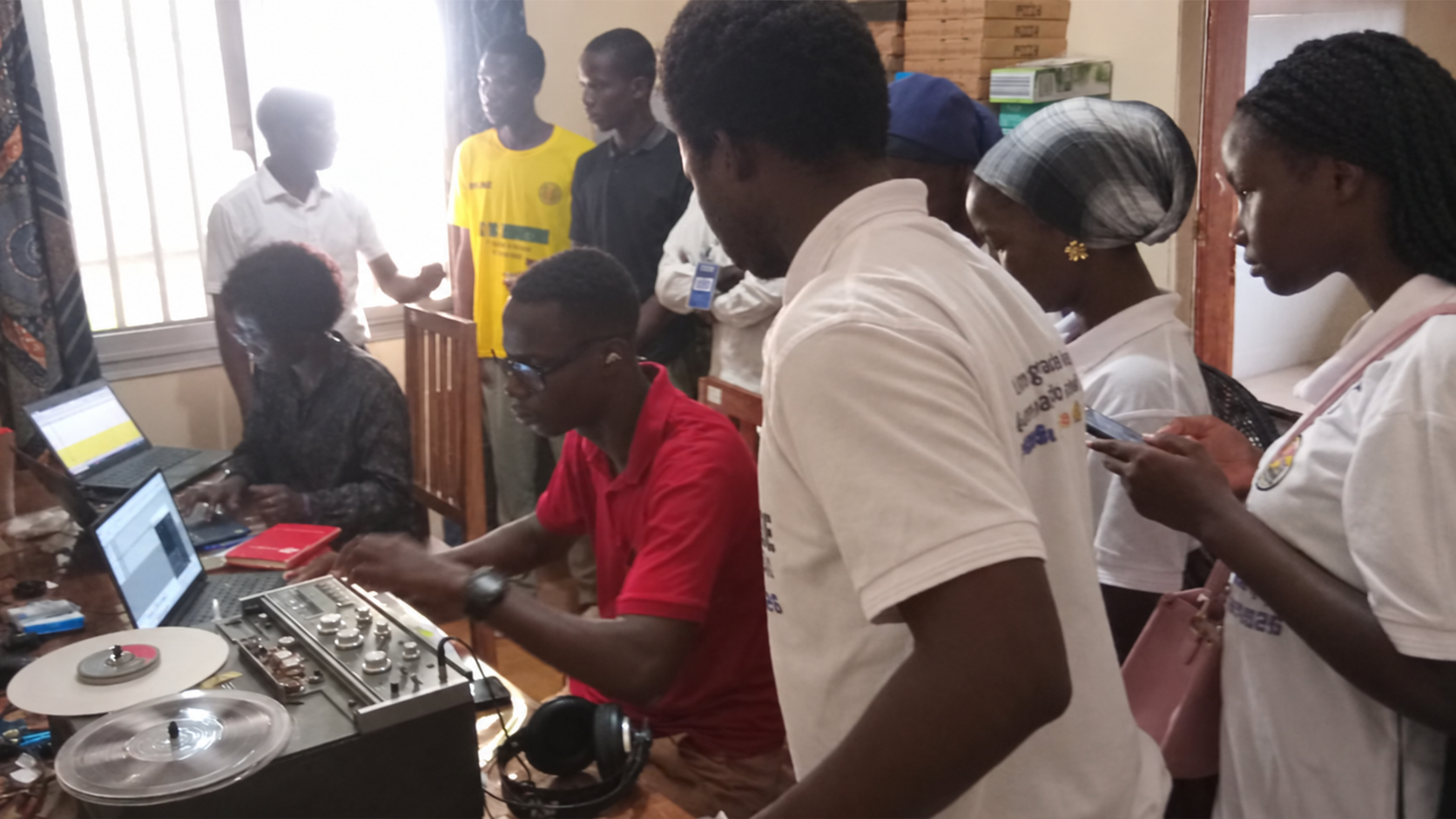
Secondary-school visit to the Sound Lab, 2026
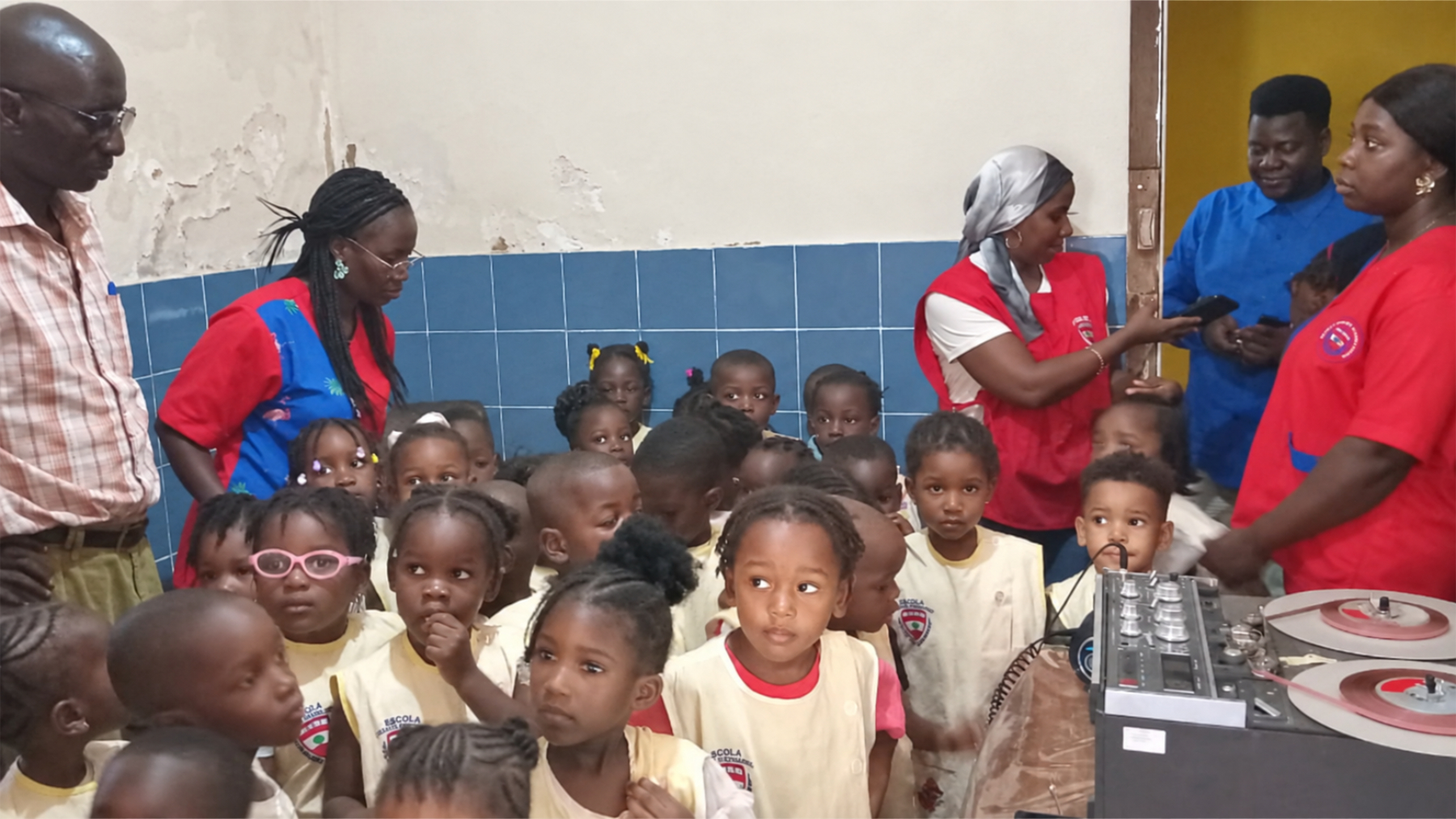
Preschool visit to the Sound Lab, 2026
Listening Session 07, 2025
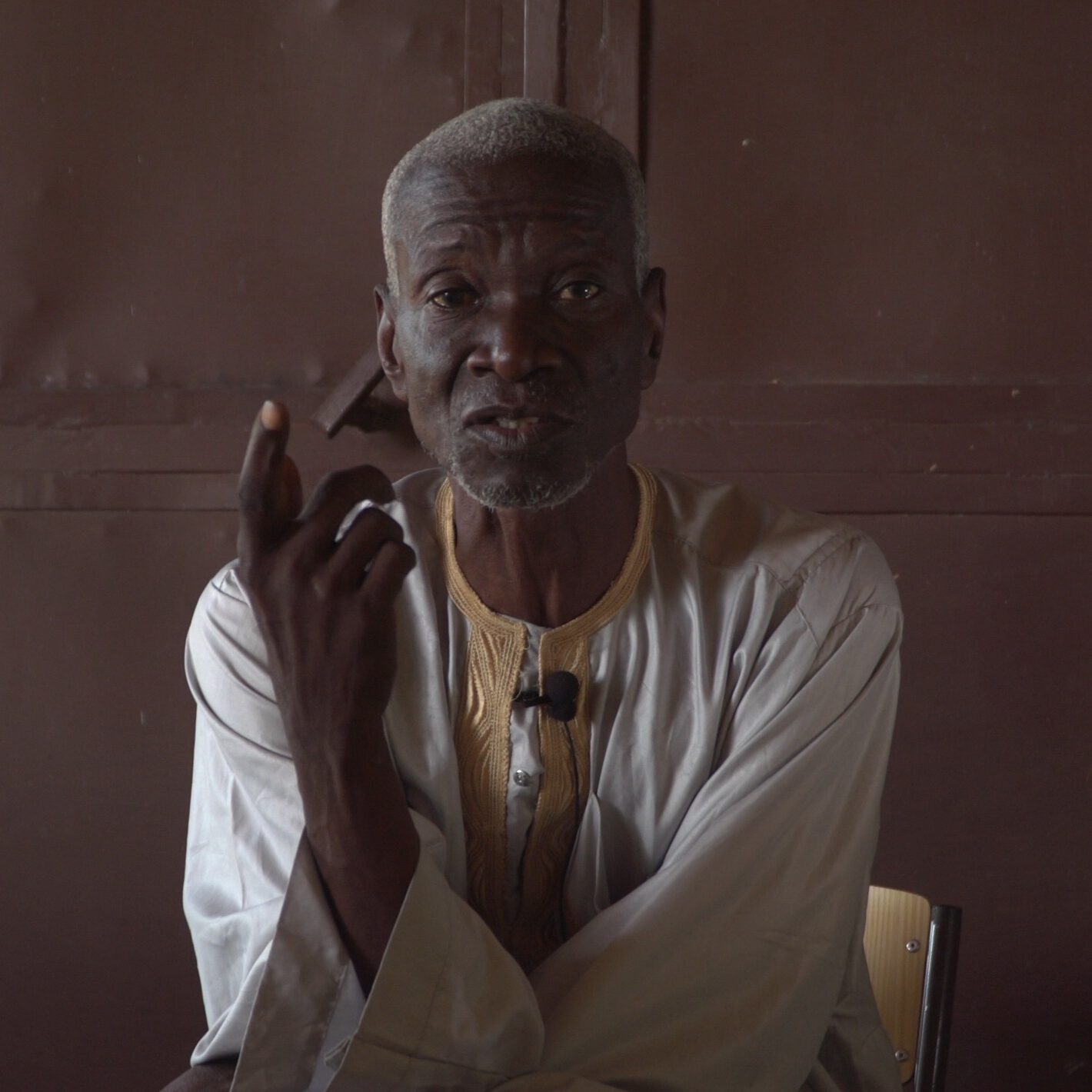
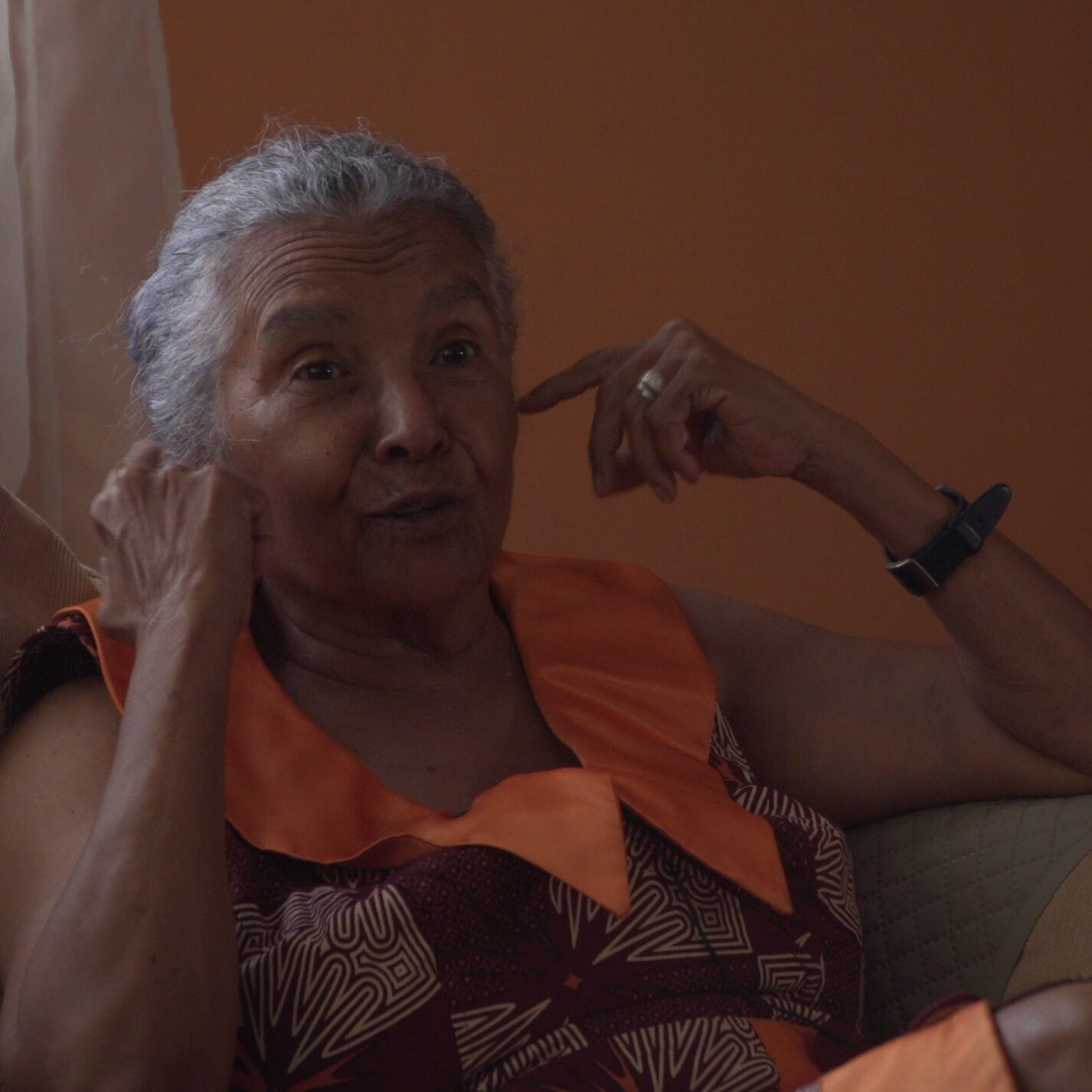
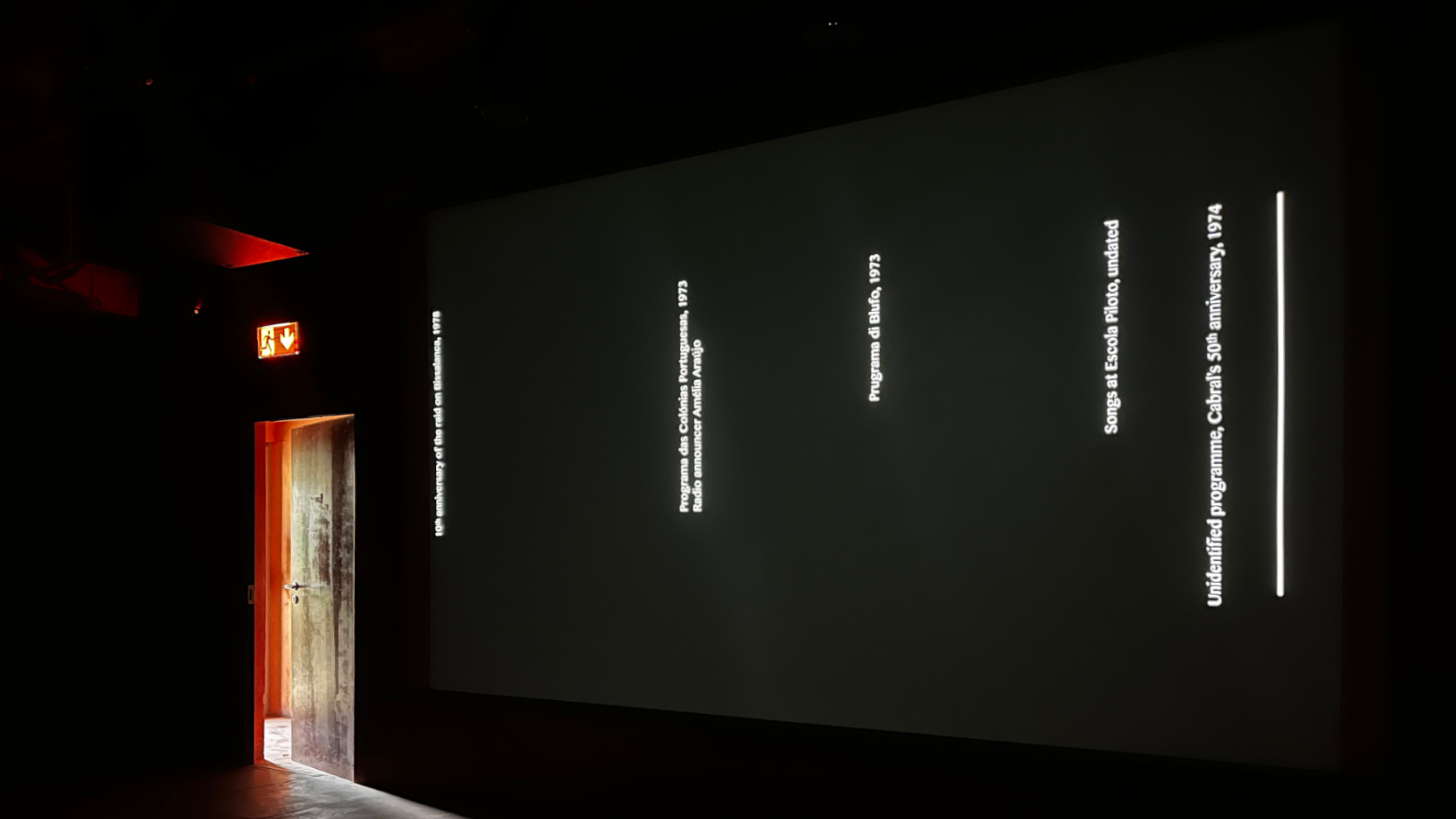
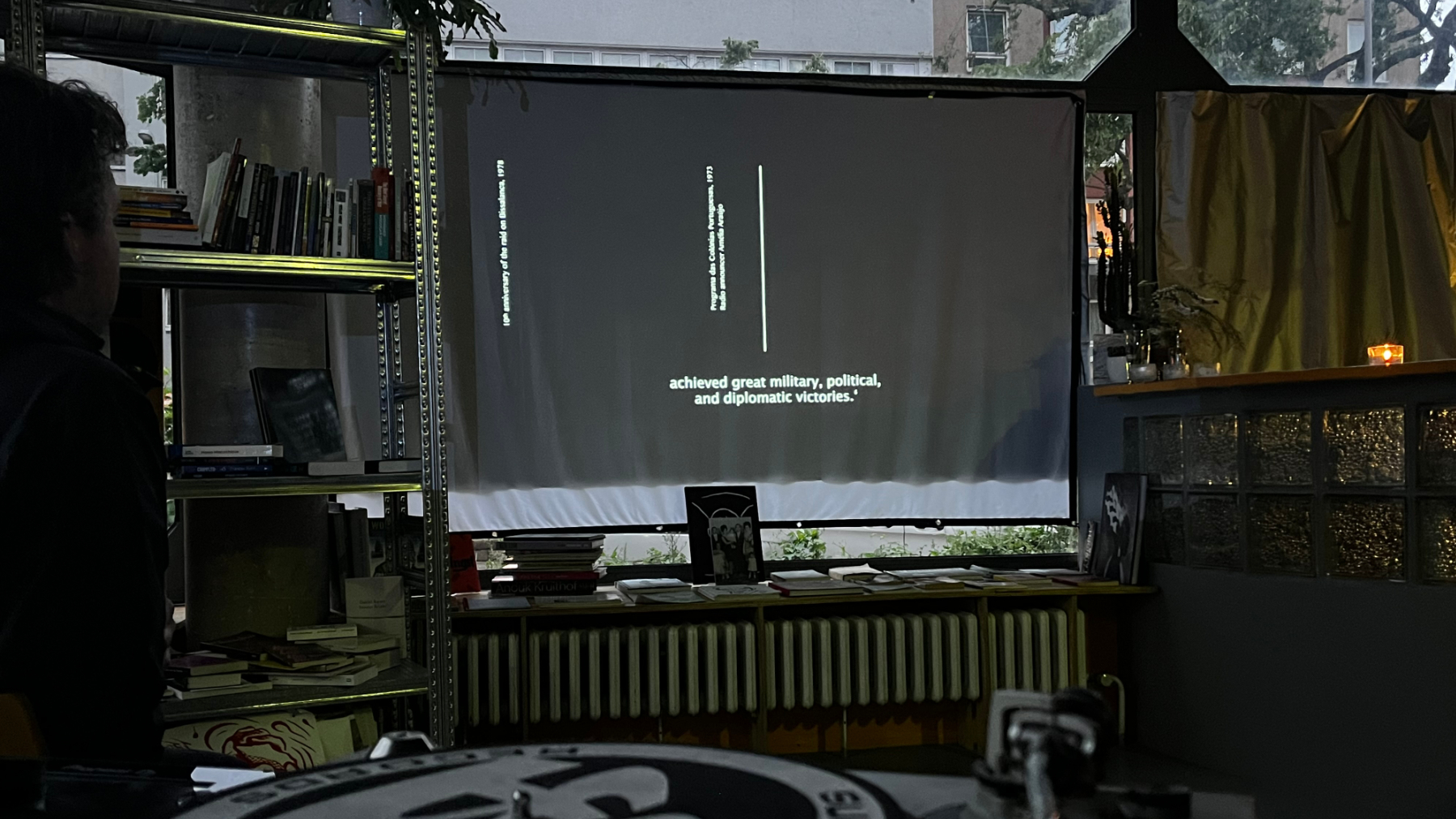
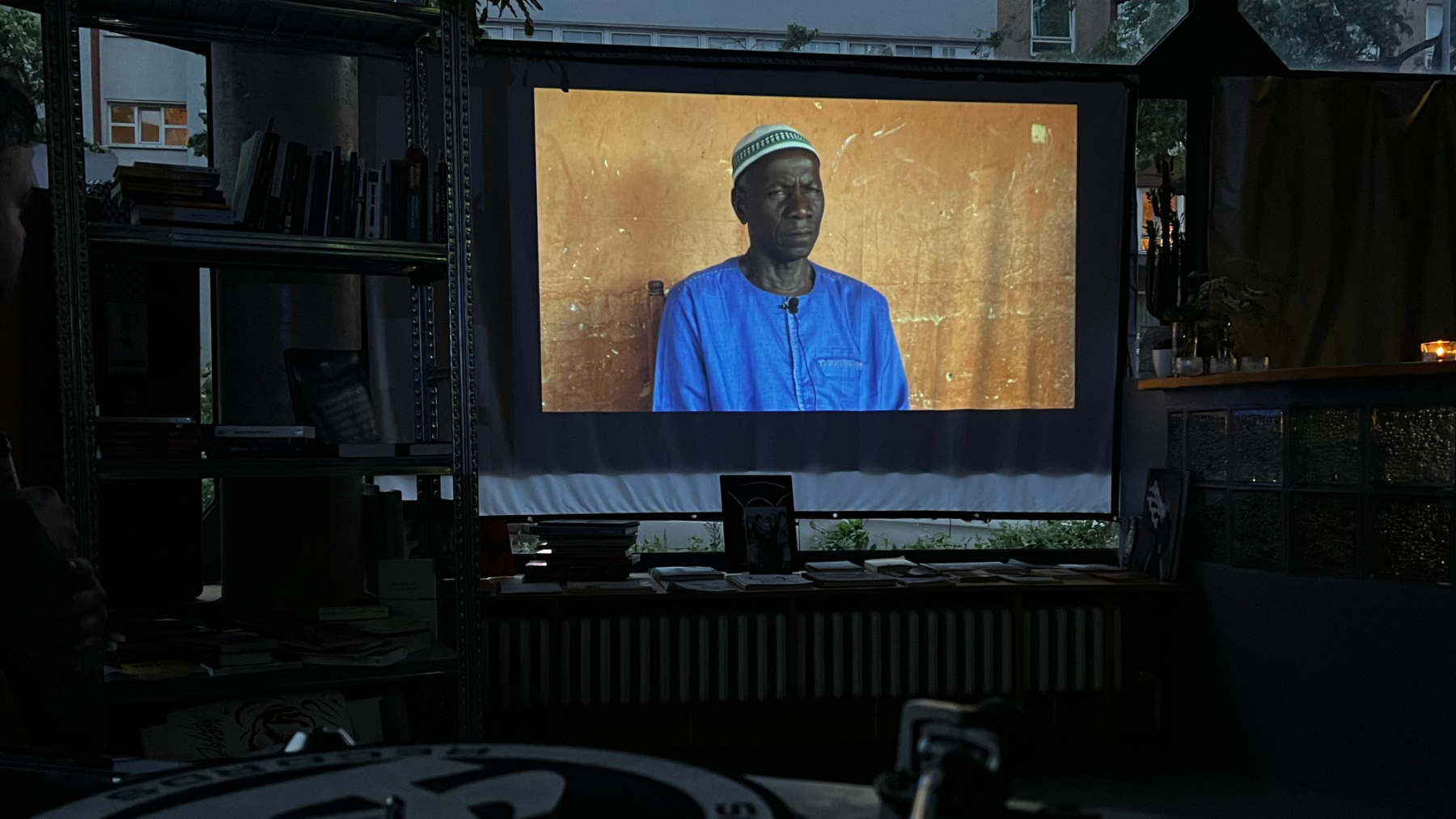
Listening Session 07 brings recordings from the final years of the Bissau-Guinean Liberation Movement and the early post-independence period into filmed listening encounters in Bissau and Praia. Former activists and fighters Fodé Cassamá, Luís Faustino Pok, Amélia Araújo, Tugna Na Quadé, as well as Chiquinho Gomes listen collectively, recalling people and circumstances while leaving gaps and uncertainties unresolved. Members of a younger generation conduct one conversation, approaching the struggle through inherited accounts and archival traces. Moving
unevenly across 1973–78, the sequence combines political commentary, educational programmes, songs, and commemoration, allowing radio practices developed during the struggle to resonate within the independent state. When Araújo hears the 1973 programme she once announced, the recorded voice and present-day listener converge. Playback activates and redirects memory, while the unidentified 1974 programme marking Cabral’s fiftieth anniversary keeps the fragmentary character of archival survival in view.
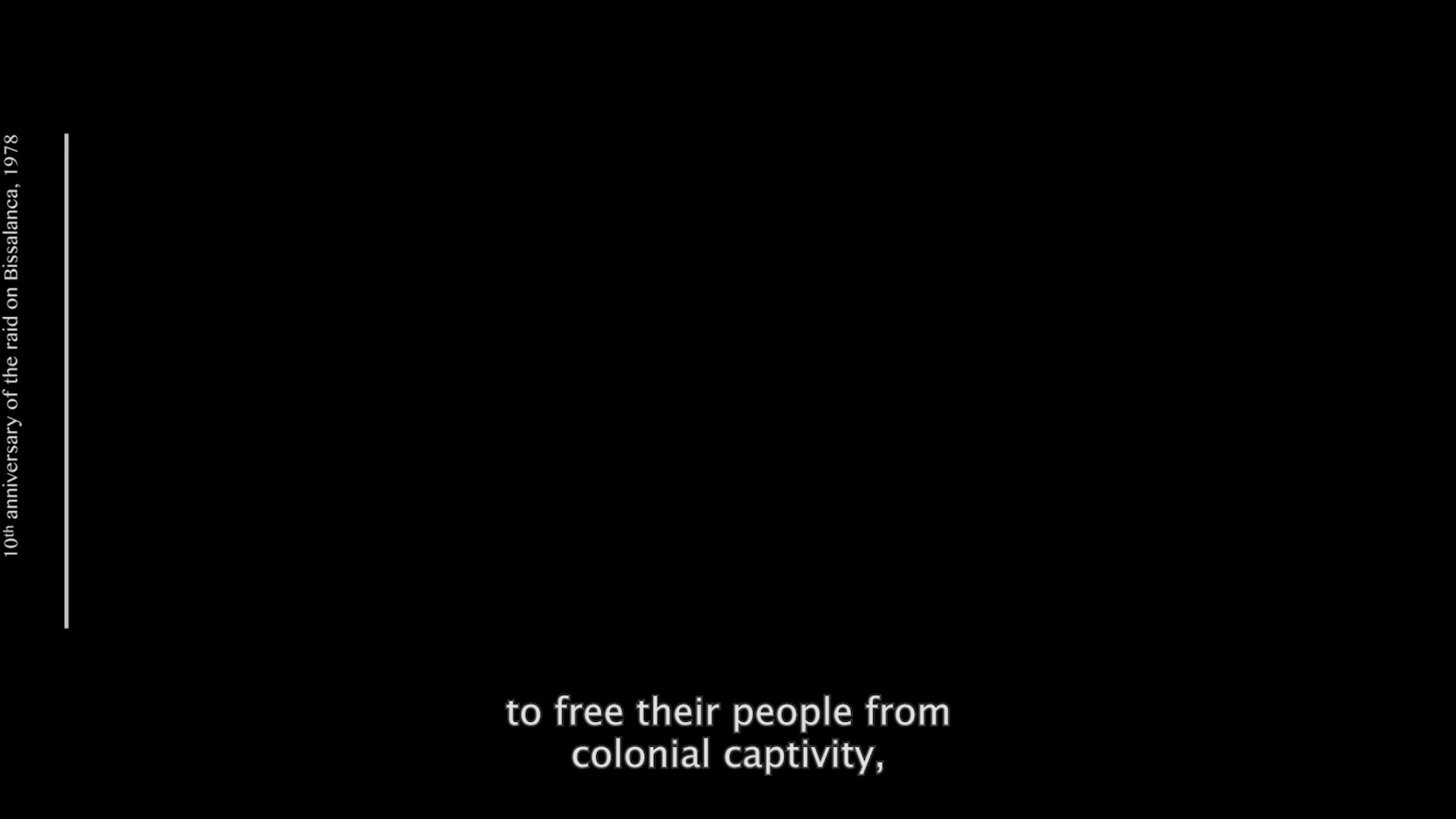
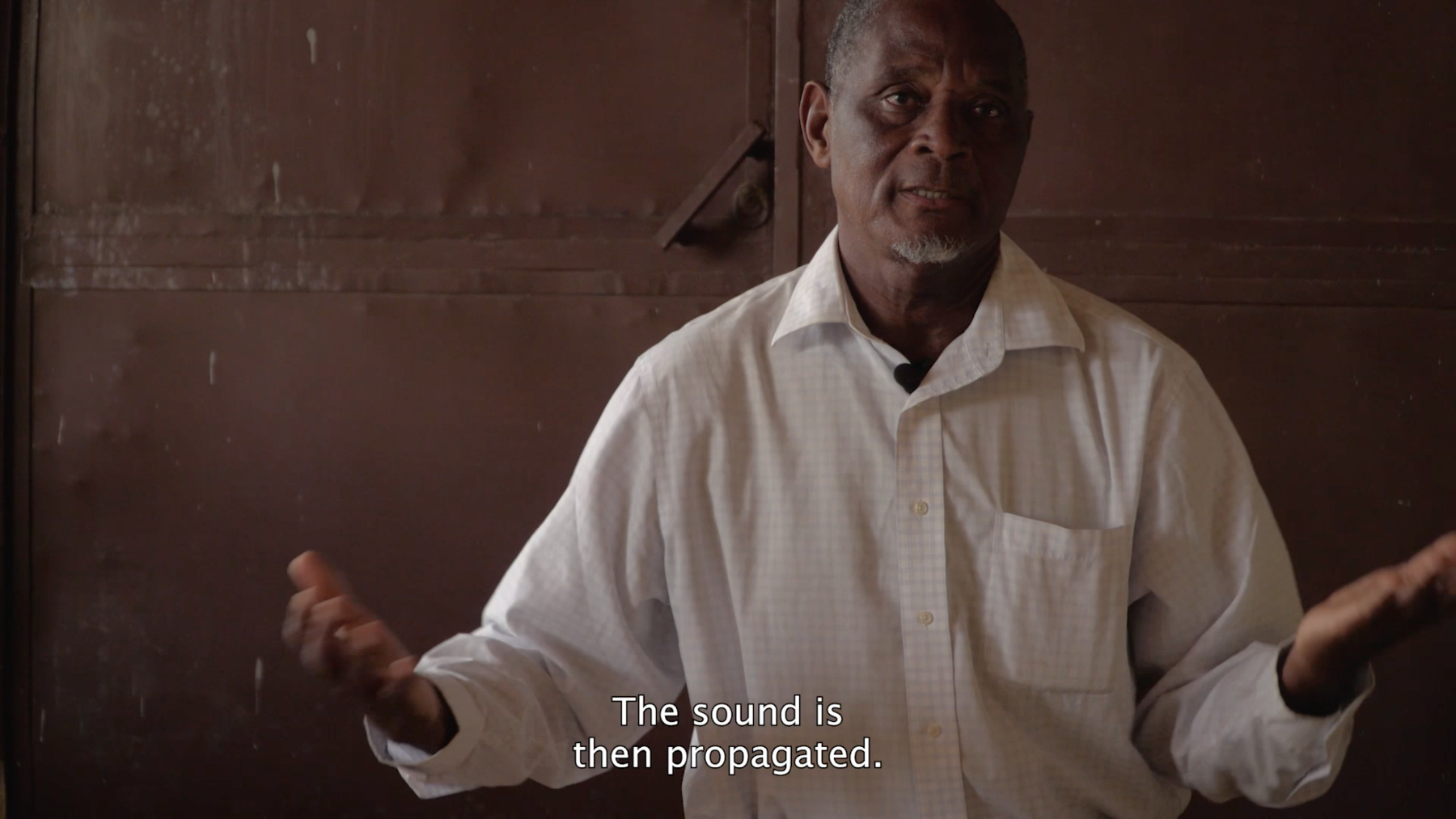
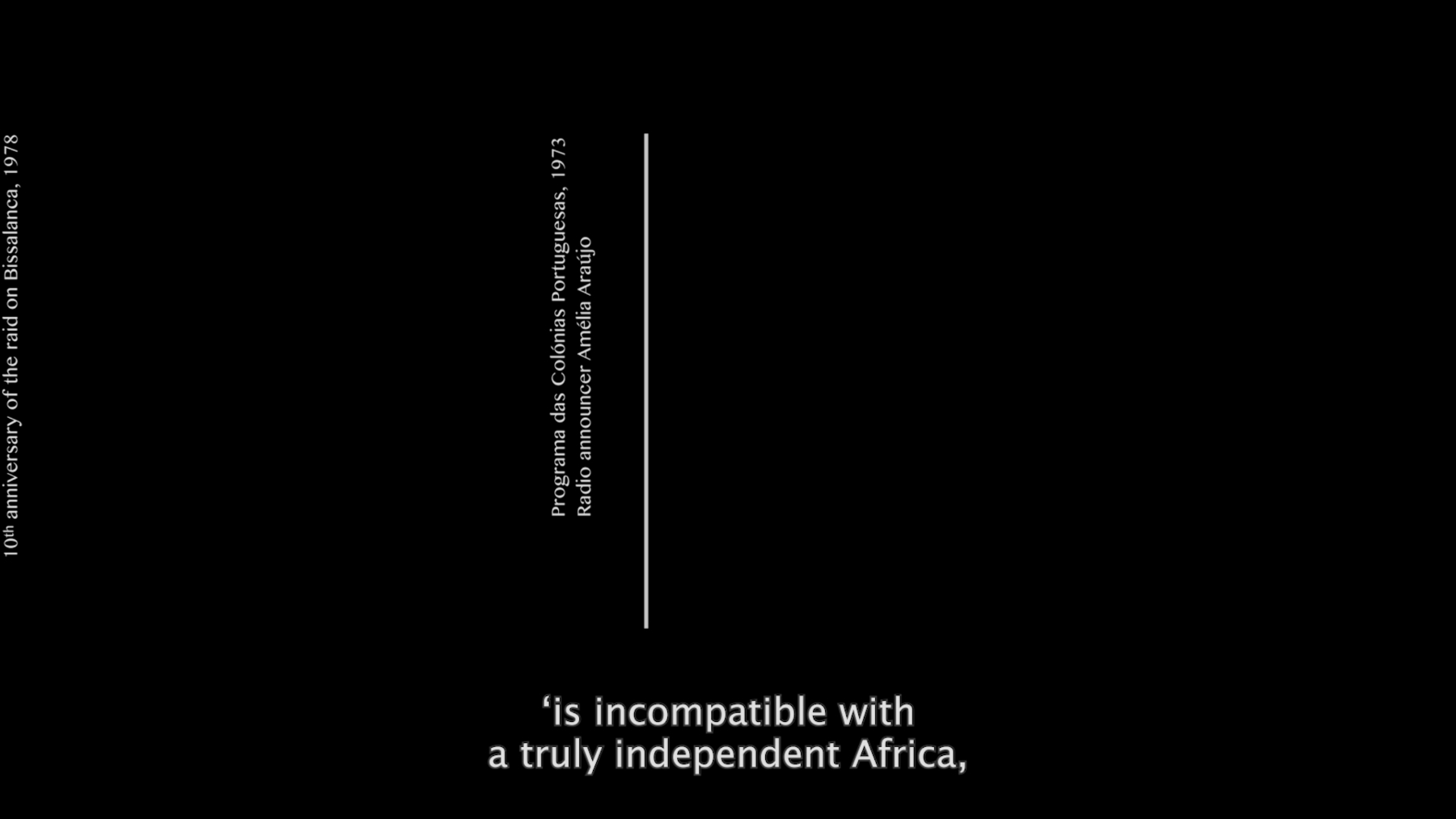
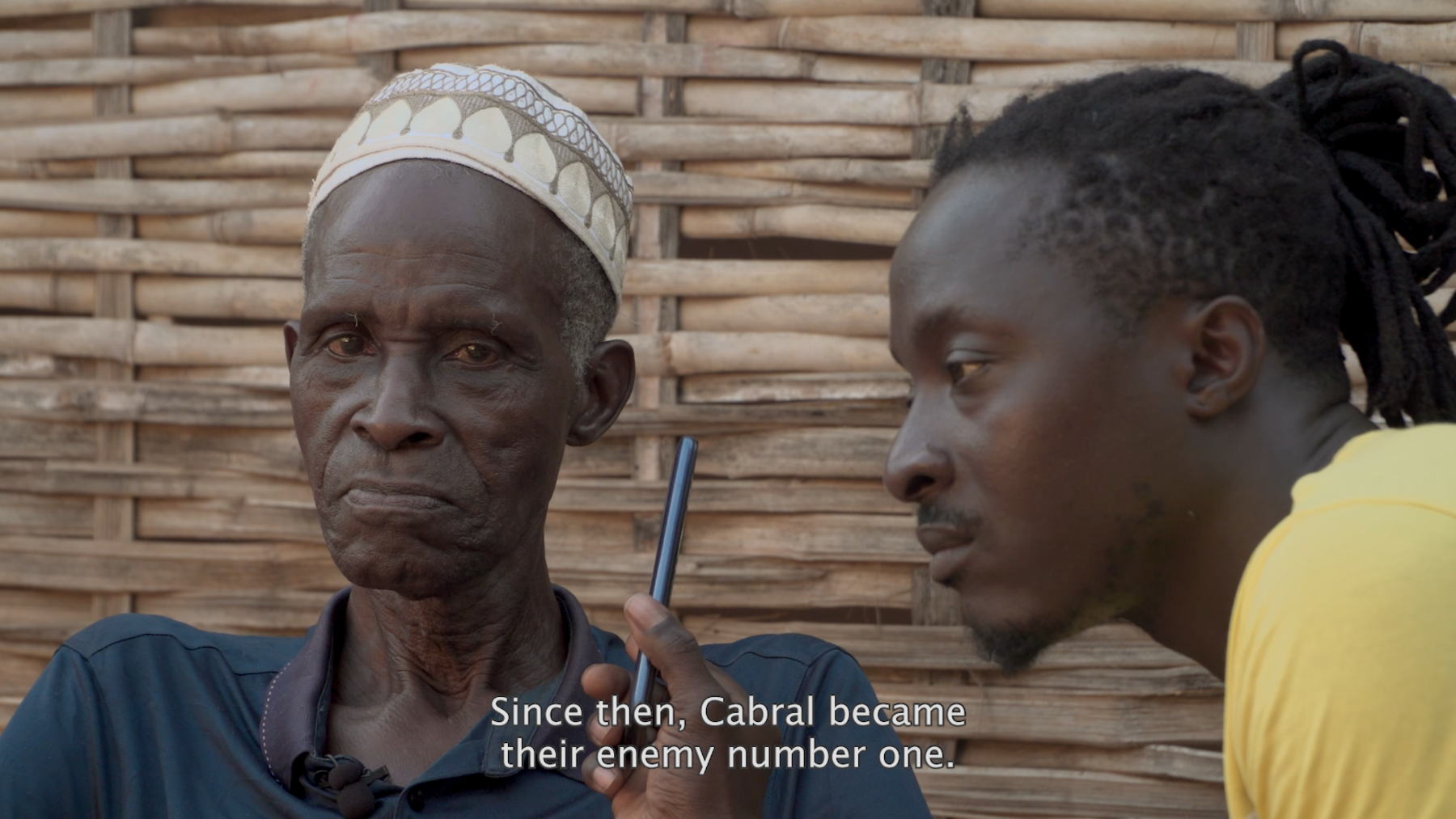
Single-channel video, color, stereo sound, 20 min, Kriol and Portuguese with English subtitles
Screenings
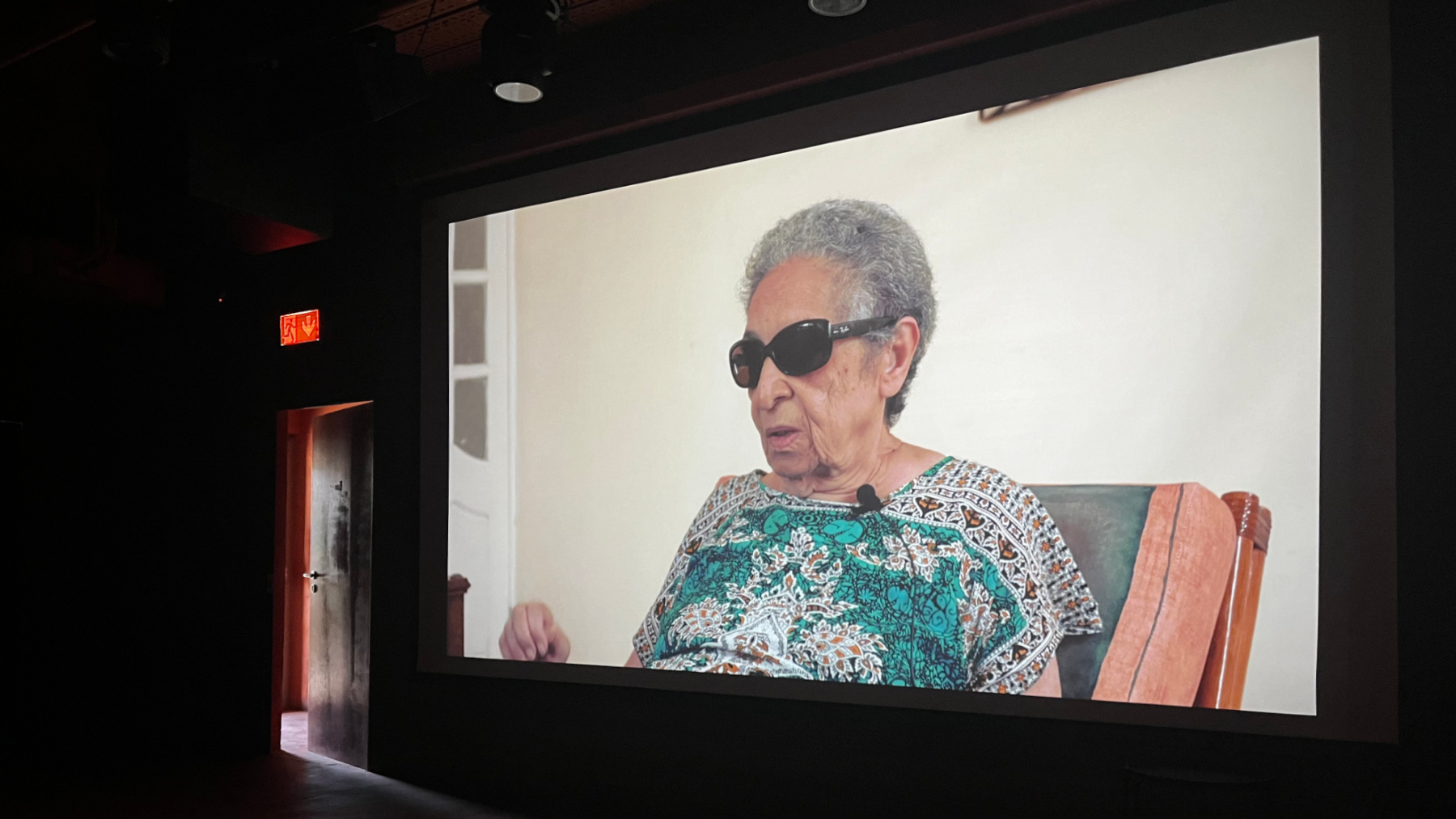
Lisbon, 2026
Berlin, 2026
Publications, 2024,2026
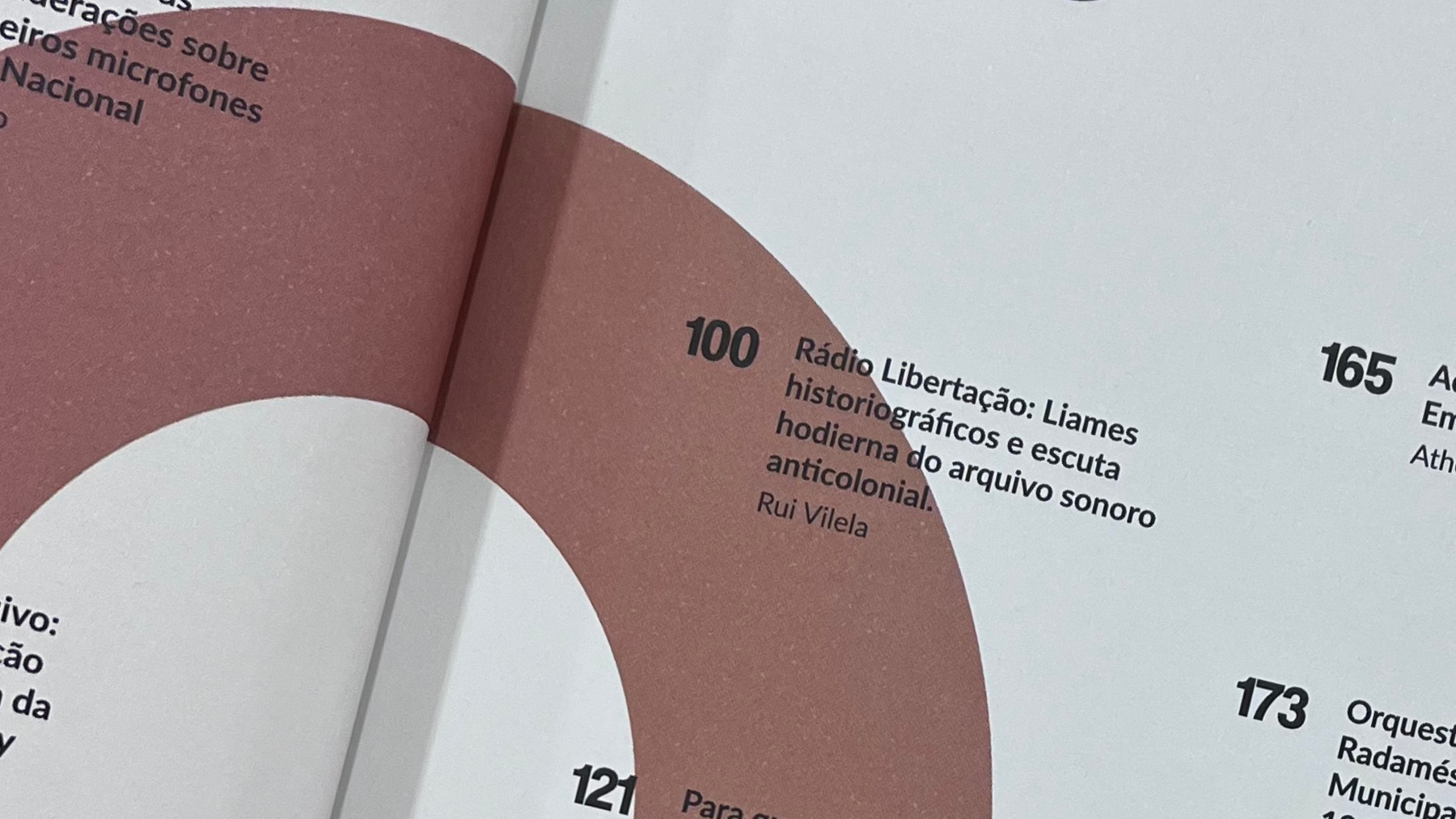
“Rádio Libertação: Liames historiográficos e escuta hodierna do arquivo sonoro anticolonial” in Rádio con:vida – A rádio como arquivo, 2024
O acervo da Radiodifusão Nacional da Guiné-Bissau inclui transmissões da Rádio Libertação (1964–1974), emissora do PAIGC, e pode ser compreendido como um arquivo sonoro anticolonial por documentar práticas radiofónicas e musicais desenvolvidas durante o movimento de libertação. O artigo situa a reescuta desse acervo na relação entre arquivo e historiografia, considerando as temporalidades produzidas pelos vínculos
entre sistemas classificativos alicerçados no documento e formas de memorização pertencentes a uma comunidade viva. Perante a compreensão fragmentada oferecida pelo arquivo físico, deslocar o foco das fontes sonoras para o ato de escuta permite atender às memórias sonoras corporizadas e ao ambiente aural do conflito armado. Em diálogo com Amílcar Cabral, Michel-Rolph Trouillot e Walter Benjamin, esta abordagem não procura reiterar a cultura, mas examina as dimensões política e epistemológica da crítica anticolonial por meio dos liames formados pela escuta dos registos preservados.
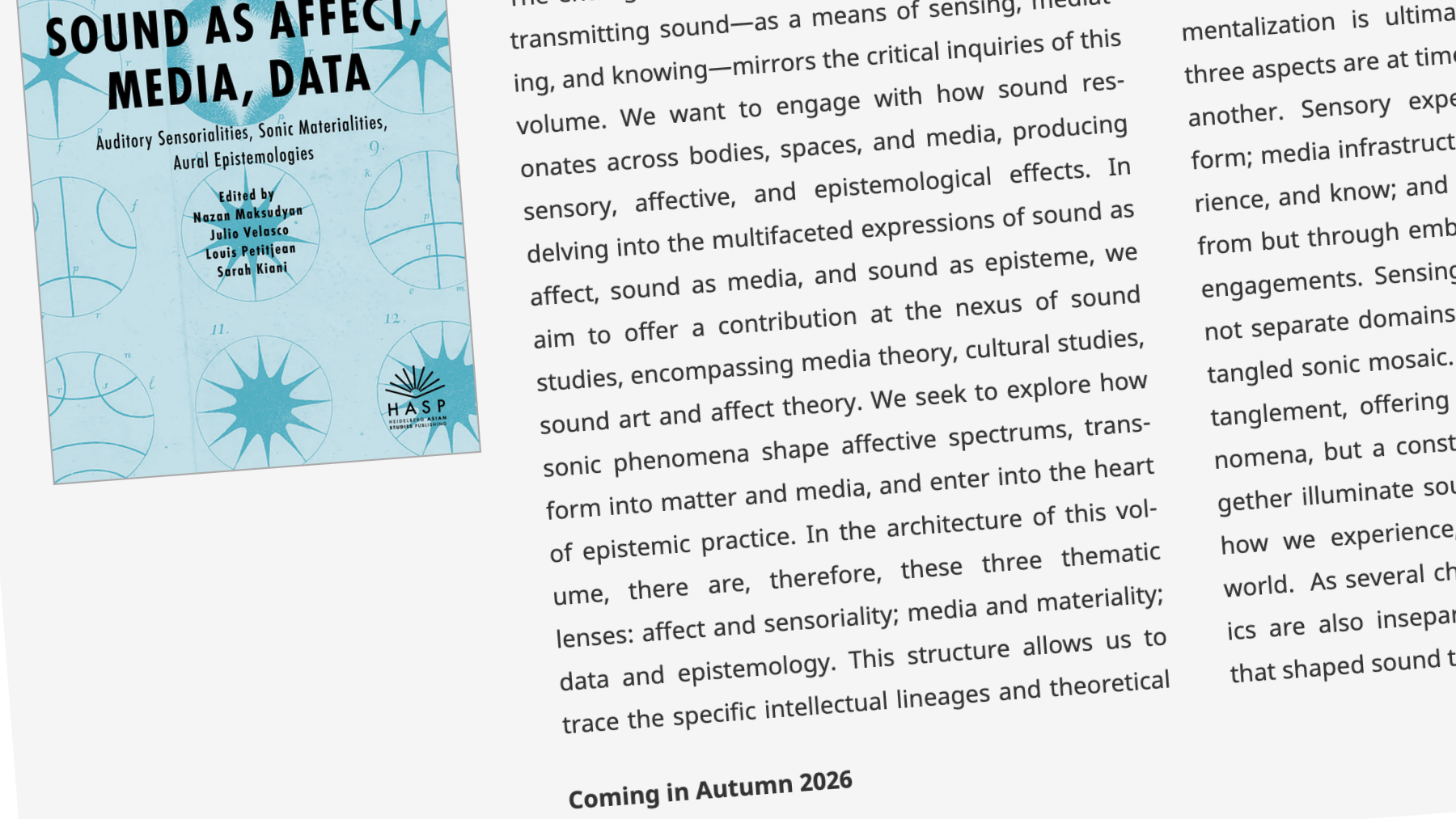
“The Afterlife of Anticolonial Sound: Monitoring the Airwaves of Rádio Libertação in Guinea- Bissau” in Sound as Affect, Media, Data, 2026
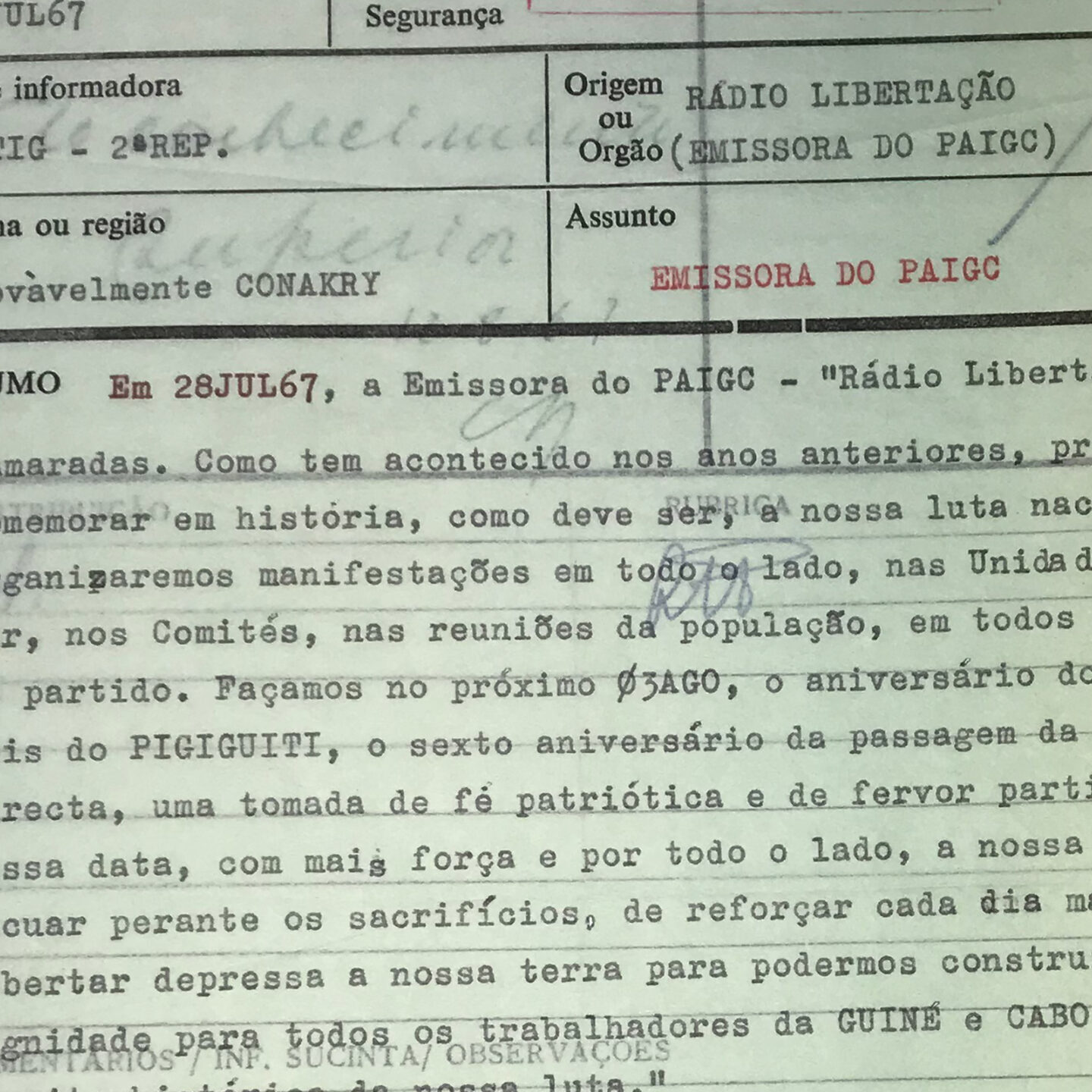
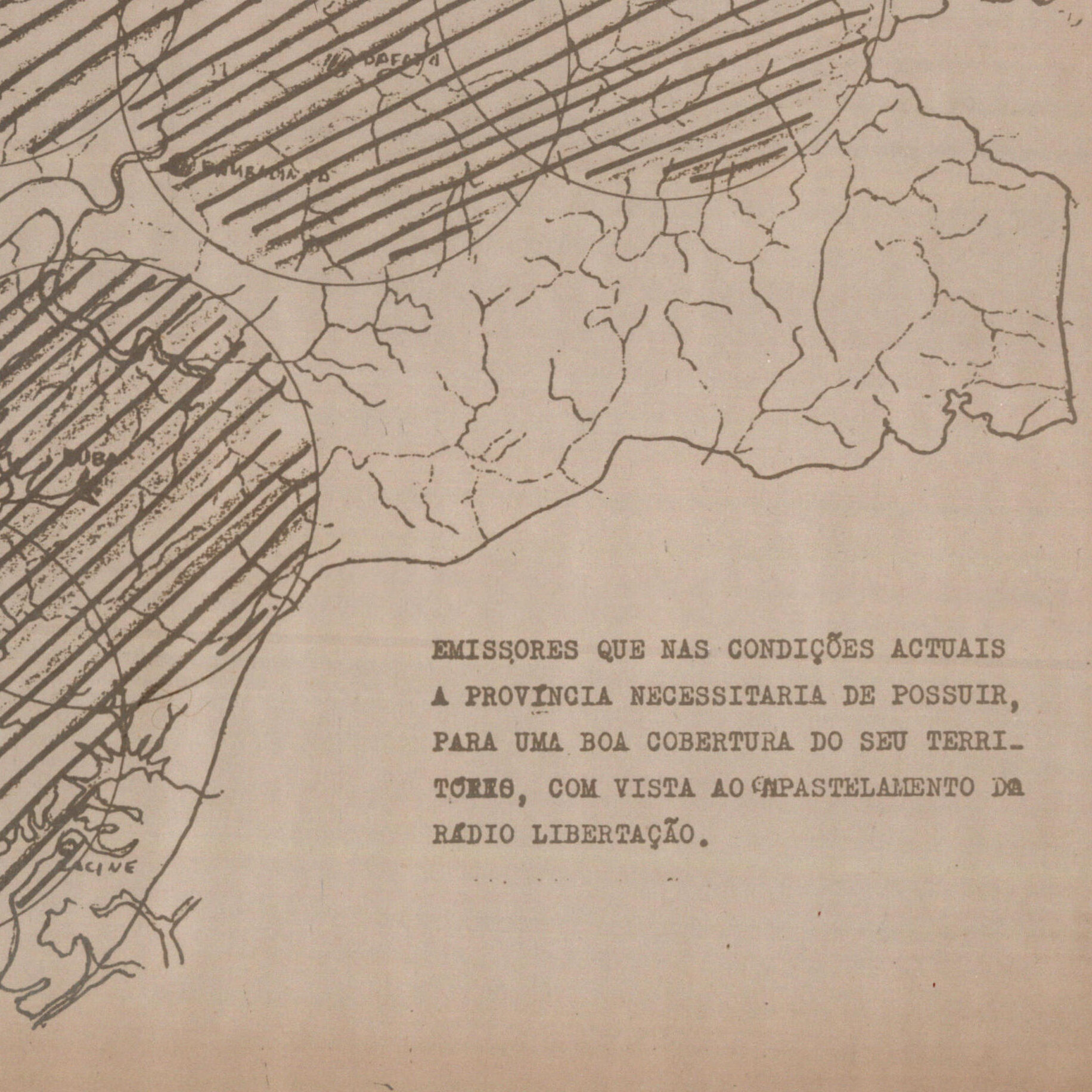
This chapter examines how broadcasts by Rádio Libertação entered the colonial archive through the Portuguese regime’s monitoring apparatus during the Bissau-Guinean Liberation Movement (1963–1974). Although many broadcasts have not survived in sound, monitoring produced written records that preserve traces of anticolonial expression. At the institutional center was the Comissão Orientadora de Contrapropaganda Radiofónica (Radio Counter-Propaganda Steering
Committee, COR), established in 1967, alongside military and administrative bodies operating in Portugal and territories under contested Portuguese rule. Monitoring formed part of intelligence gathering, “counter-propaganda,” psychological warfare, and attempts to segment and govern radio listenerships. Read as de-sonified traces of guerrilla broadcasting, these documents expand what can be known about Rádio Libertação. They also reveal how colonial military governance, United Nations scrutiny, and Cold War pressures shaped the organization of surveillance and the regime’s registration of Rádio Libertação and other “hostile” stations.
Anticolonial Quotations, Edited, 2022
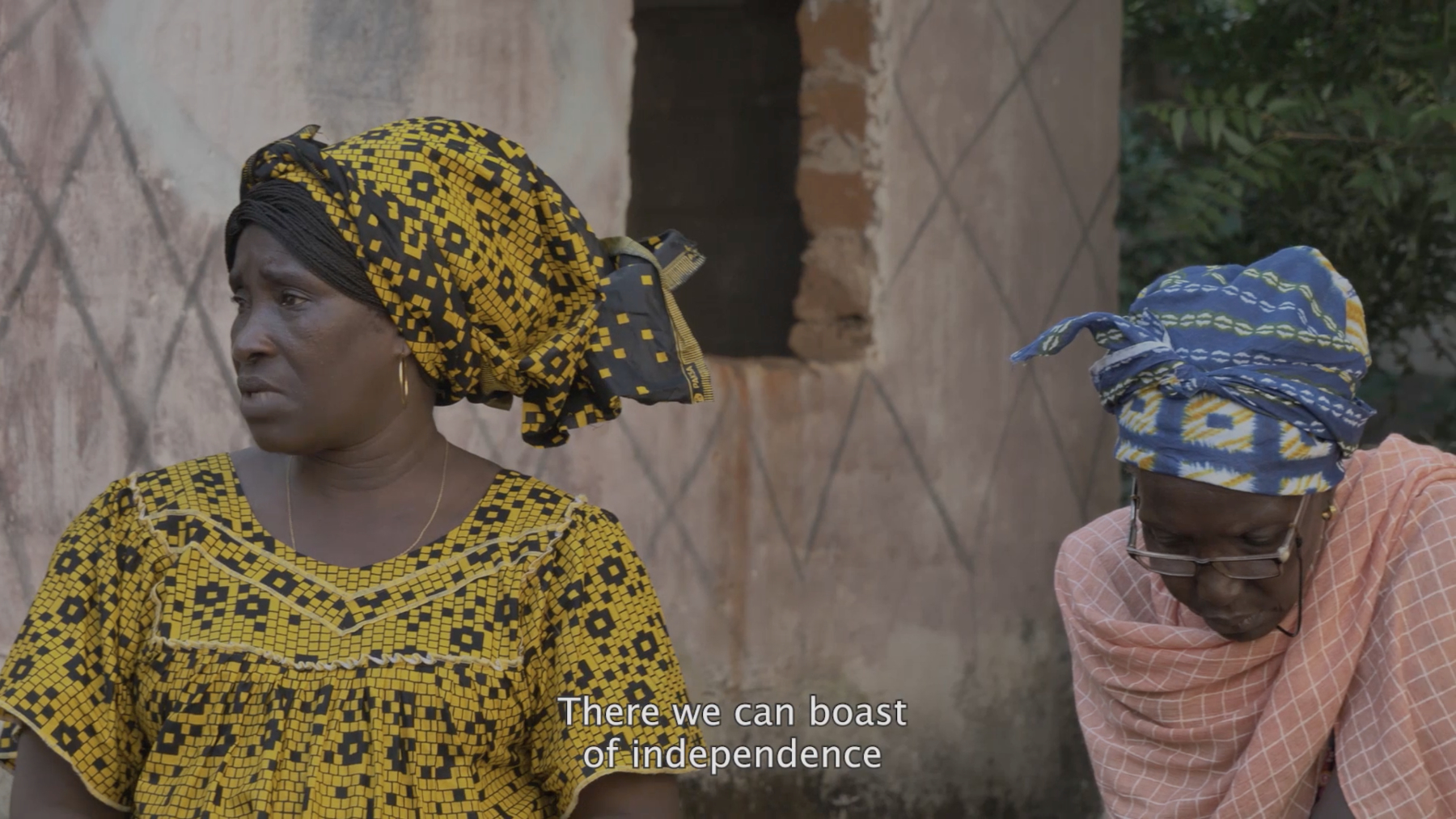
Anticolonial Quotations, Edited
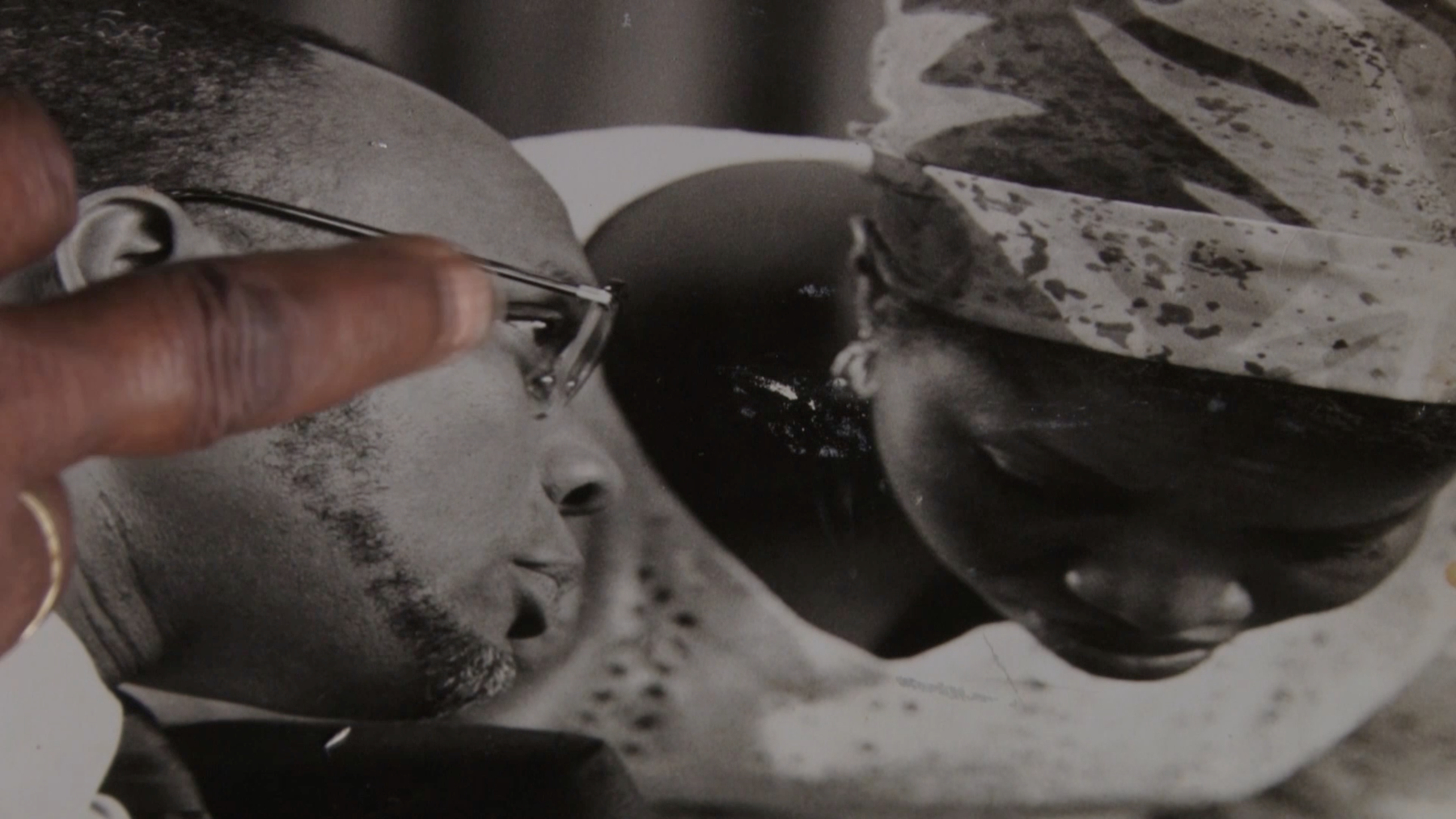
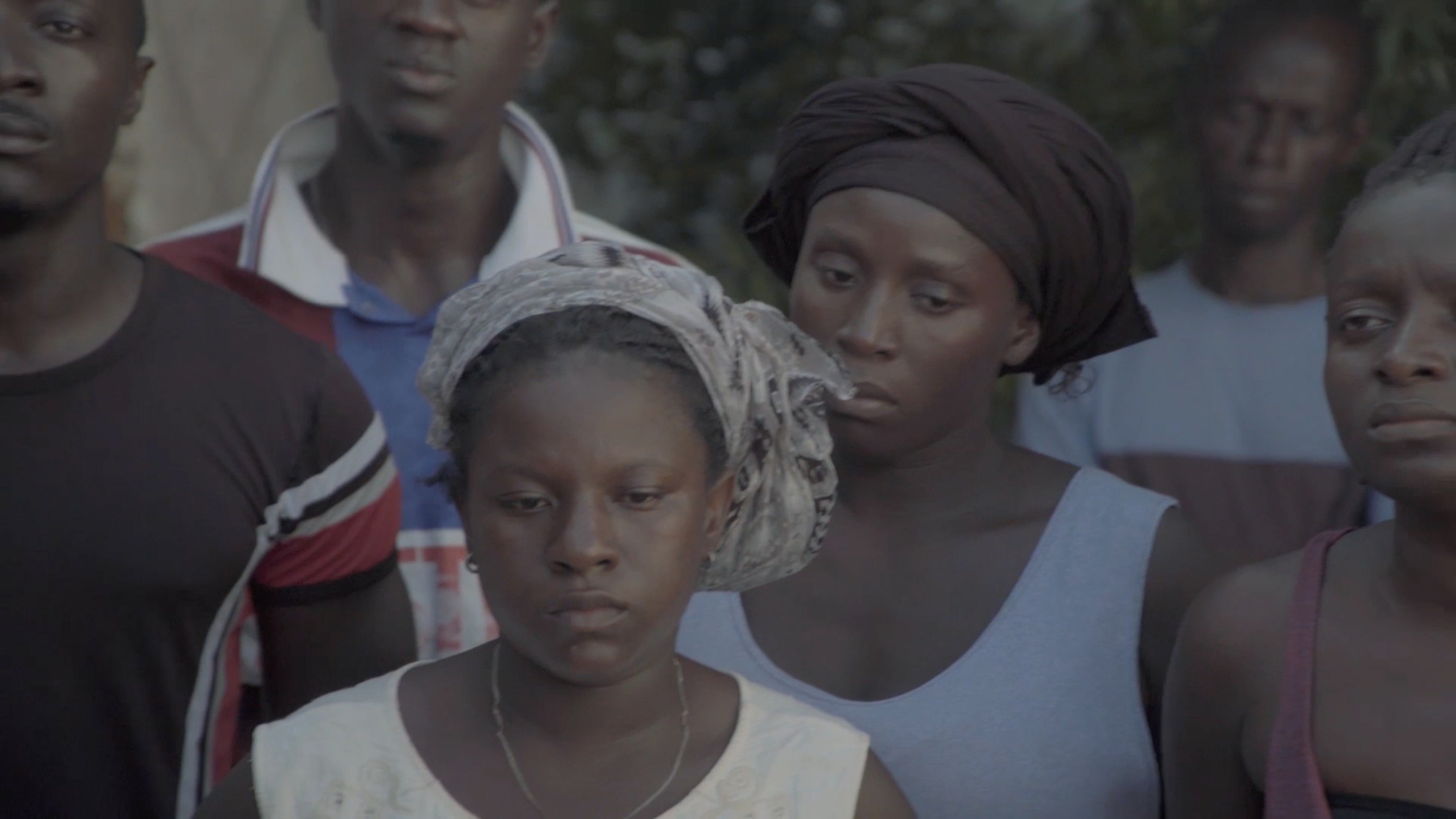
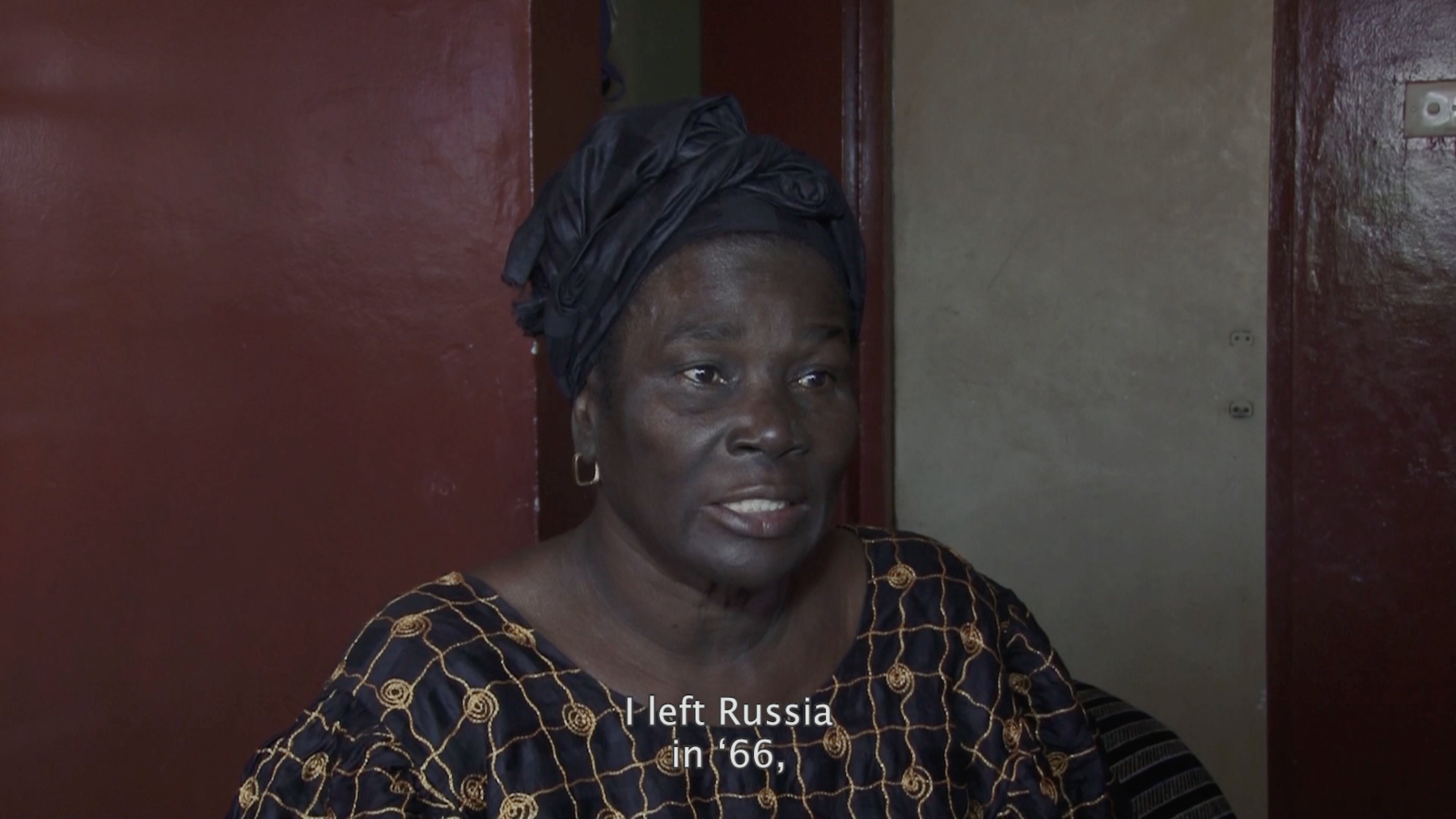
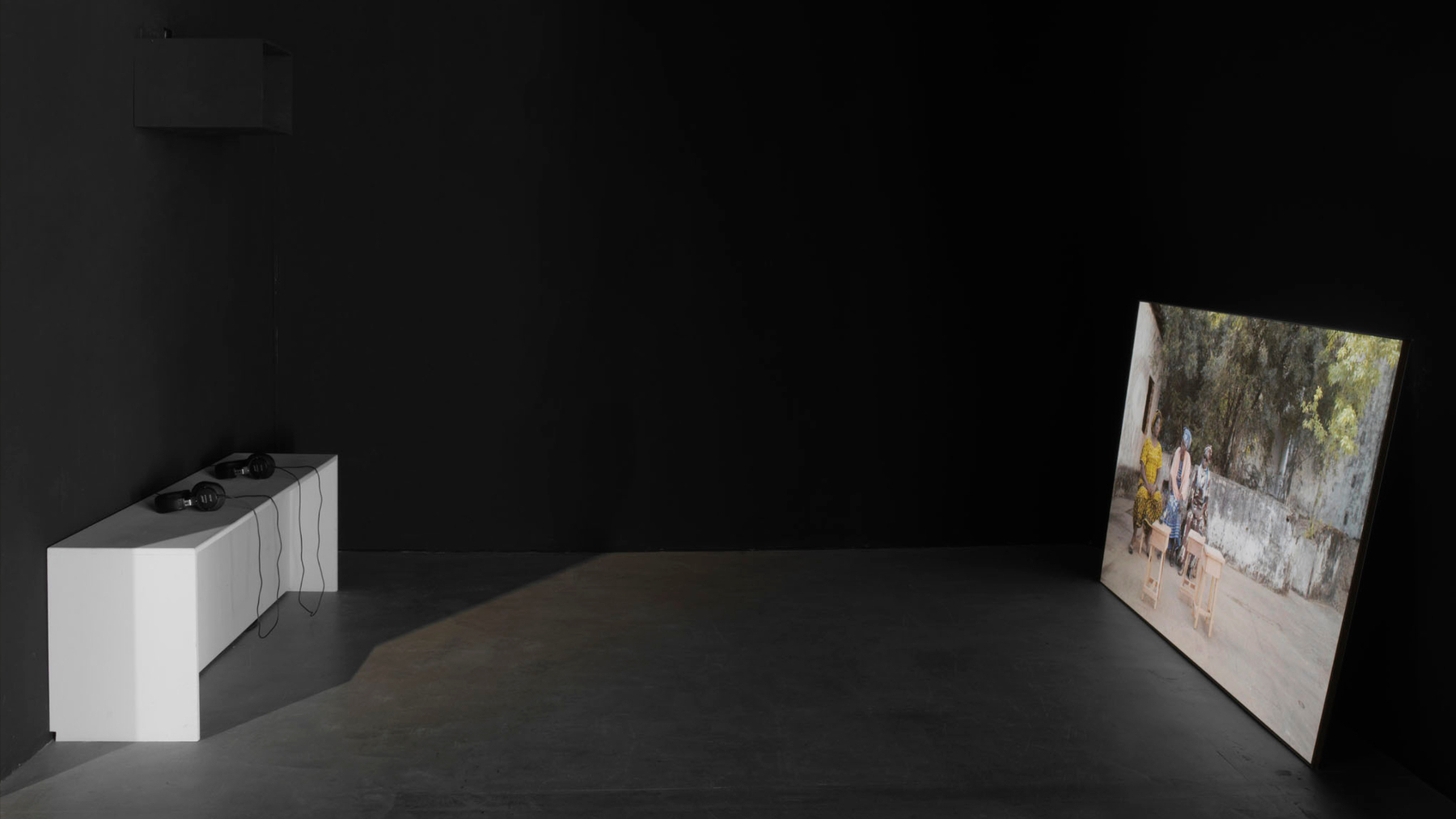
Accounts on the Bissau-Guinean Liberation Movement against Portuguese colonial rule add up to an embodied, shared archive, and may be referenced in contemporary musical productions. In the song Nani No, Elsa Ferreira sings of a mother who agonises over being her village’s only survivor of a military raid. The grieving voice contrasts with the perseverance recounted by Brinsa Nassentche, Nhima Turé, Segunda Lopes, and Tchadi Sambu, and points out to uncertainties amidst anticolonial fortitude. Reactivating such memories by means of sonic acts shifts modes of listening from their original militancy to epistemic responsibility. Yet, while a lettered listening heeds to the contending forces capable of decolonising western humanities, the anticolonial sound archive remains chiefly a profuse source of sonic agency.
Brinsa Nassentche
Nhima Turé
Segunda Lopes
Tchadi Sambu
Nani No
song by Elsa Ferreira
Choir voices
Alcídia Gomes, Cadi Cissé, Cadi Fati, Chiquinho Gomes, Claudina Gomes, Dauda Turé,
Domsil da Silva, Edilta da Silva, Marcelino Injira,
Toia Gomes, Virgínia Biaguê
Camera
António Castelo, Domingos Sancá
Sound
António Castelo
Archival photograph
Amílcar Cabral, Francisca Pereira
unknown photographer, private archive of Francisca Pereira
Location
National Institute of Cinema and Audiovisual
Interpreters
Dionísia Intchala, Toia Gomes
Transcription Creole
Idalina de Barros
Translation Creole/Portuguese
Bernardo Neto
Translation Portuguese/English
David Wild, Rui Vilela
Editing, Colour correction
Rui Vilela
Production
Toia Gomes, Rui Vilela
Woodwork
Danilson Na Cubana
With the kind support of
Theatre Group of the Oppressed of Bissau
Projeto Fórum de Paz, Bissau
Made possible by
Berlin Senate Department for Culture and Europe, Calouste Gulbenkian Foundation
Single-channel video, color, stereo sound, 22 min, Kriol with English subtitles
Screening / Installation
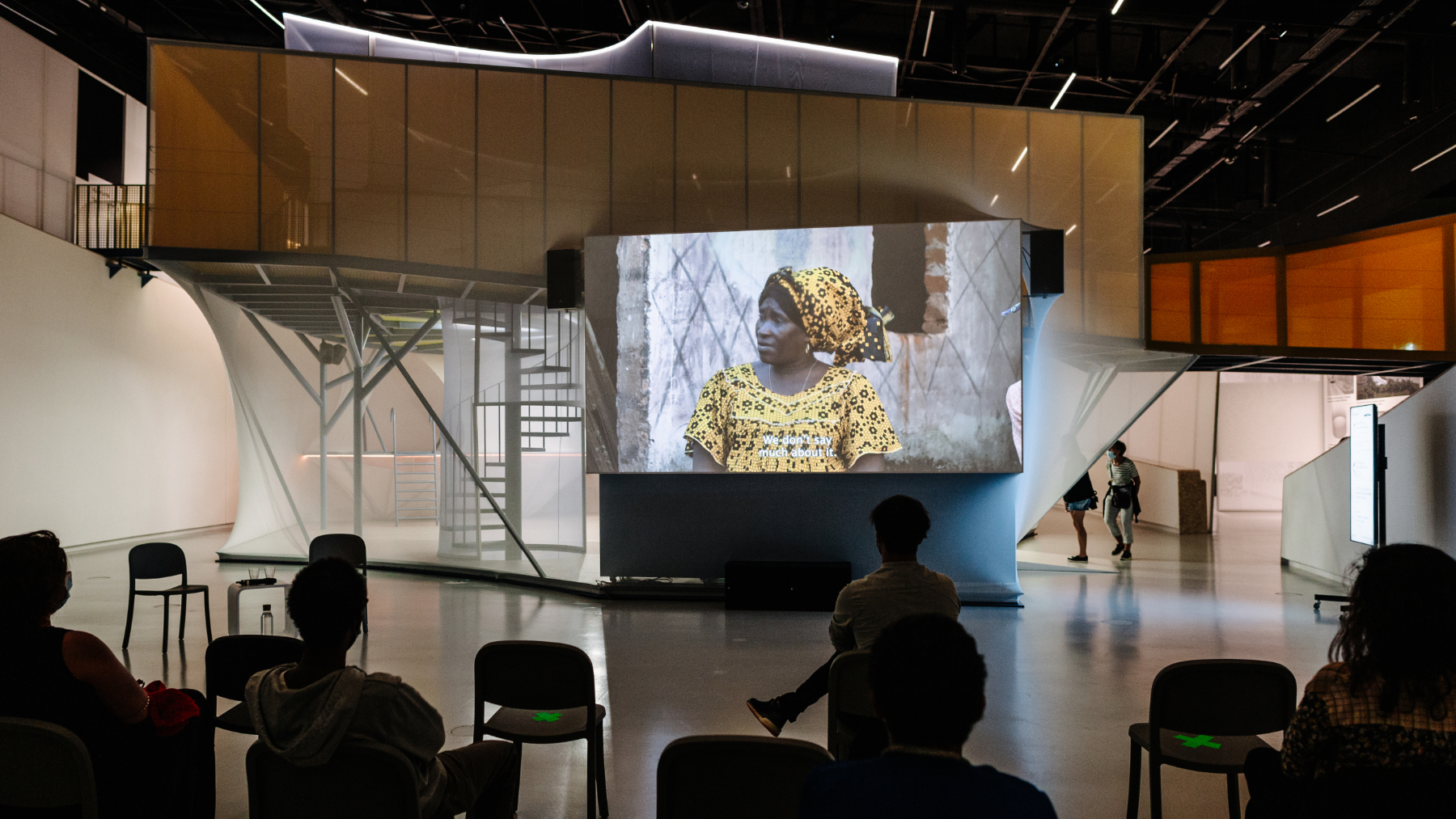
Lisbon, 2020
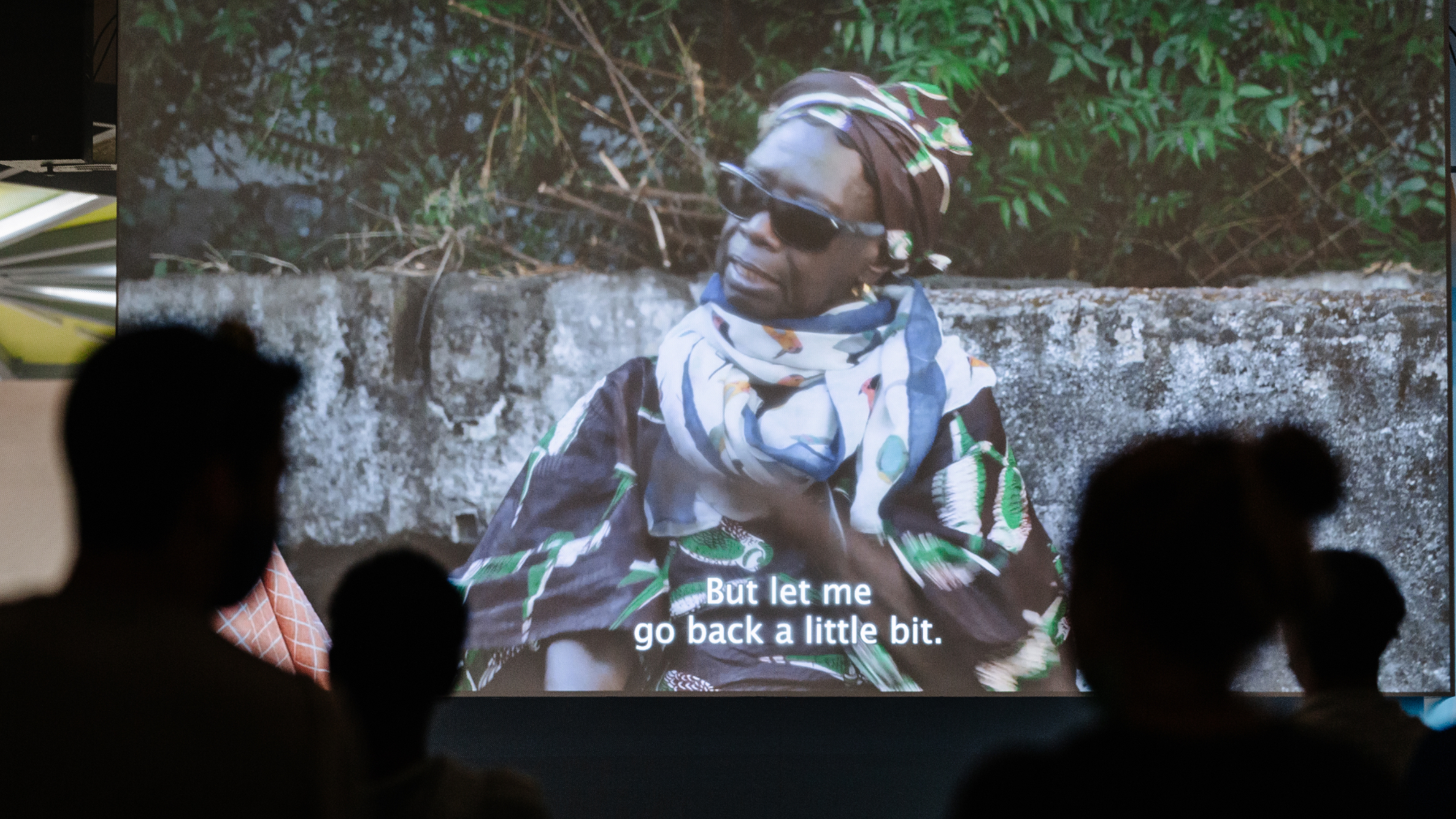
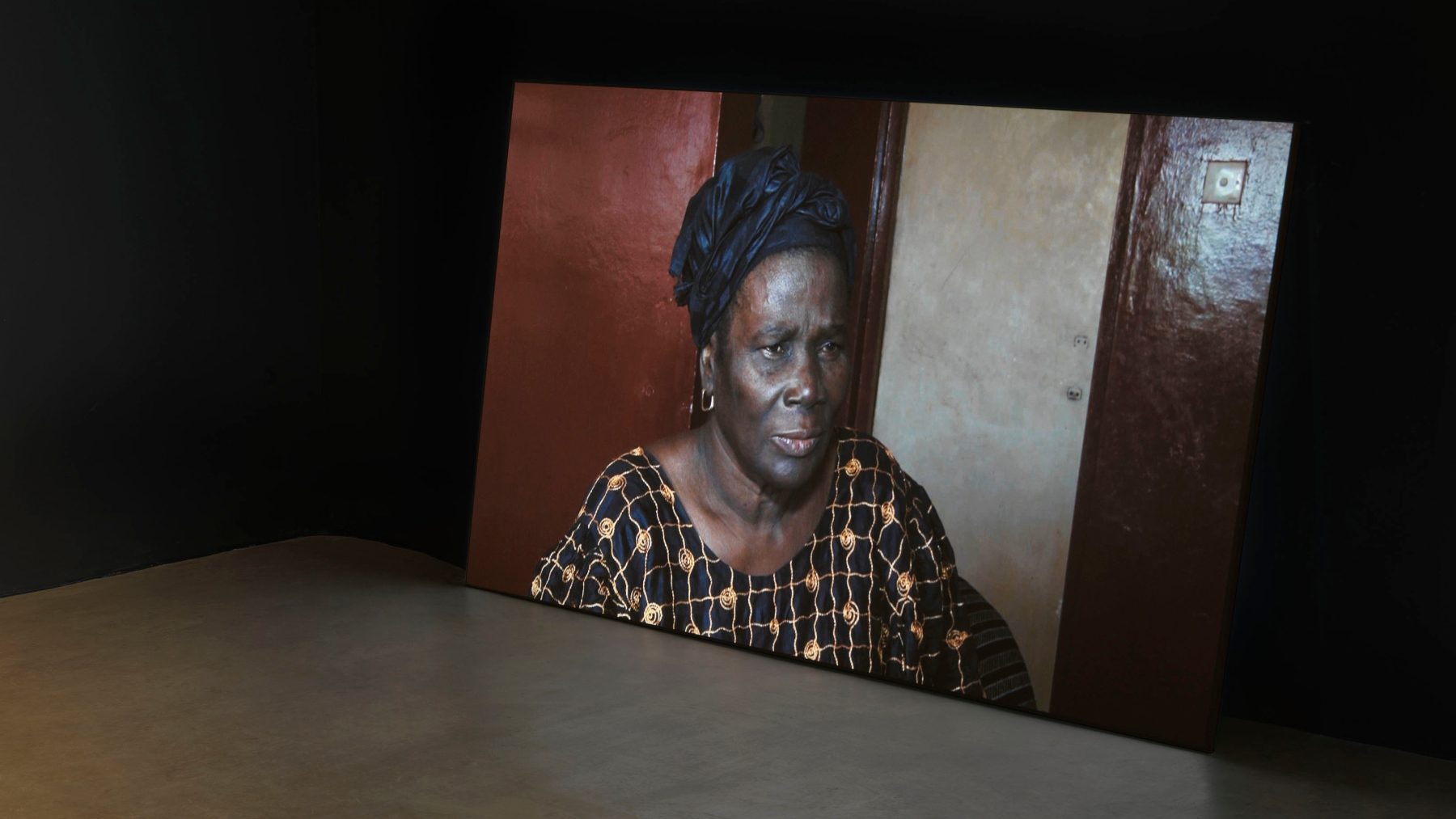
Berlin, 2020
Radio Conversation, 2025 “Arquivos radiofónicos da Guiné-Bissau,” Dossier África, RDP África, 17 June 2025. 41 min., in Portuguese.